
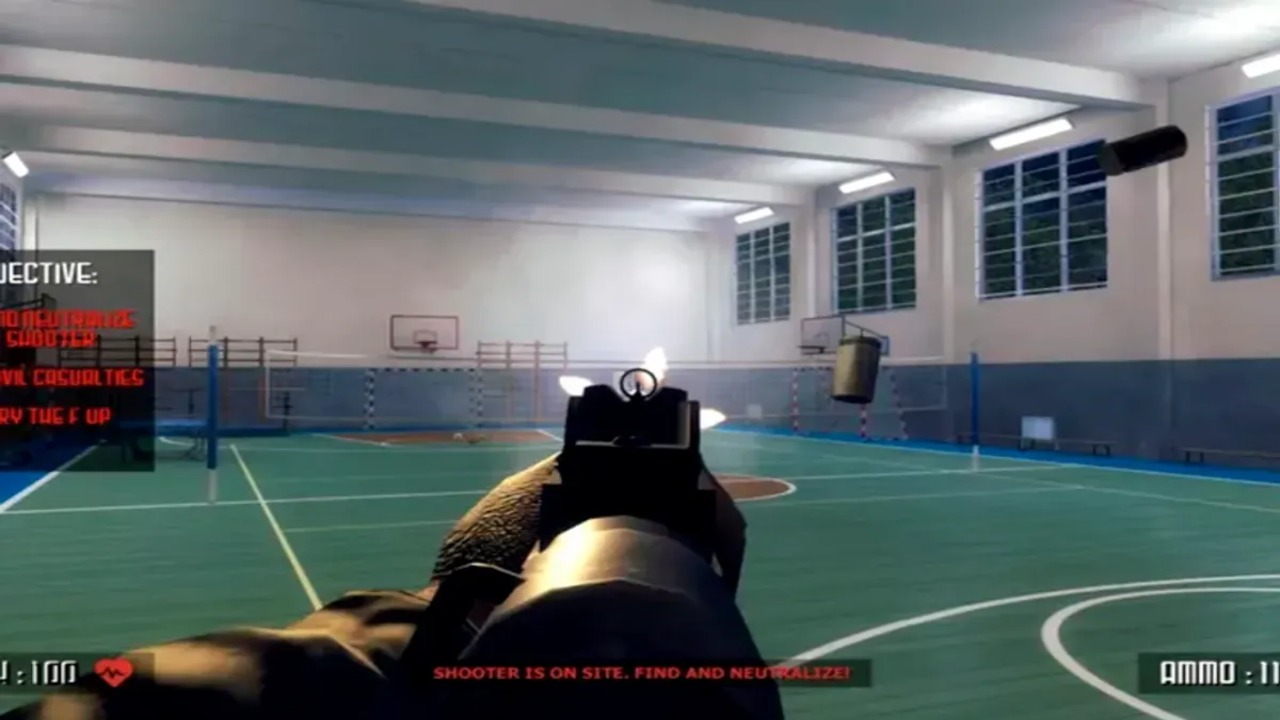


Understanding Active Shooter Incidents: Recent Events and Preventive Measures
Active shooter incidents have become a distressing reality in today's world, posing significant challenges to public safety and law enforcement agencies. These events involve individuals actively engaged in killing or attempting to kill people in populated areas, often without a clear pattern in victim selection. The unpredictable nature of such attacks necessitates a comprehensive understanding of their dynamics, recent occurrences, and preventive measures.
Defining Active Shooter Incidents
The term "active shooter" refers to an individual actively engaged in killing or attempting to kill people in a confined and populated area. In most cases, active shooters use firearms, and there is no discernible pattern or method to their selection of victims. These situations are typically fast-evolving and demand immediate law enforcement intervention to prevent further harm.
Key Characteristics of Active Shooter Incidents
Multiple Targets: Active shooters often aim to harm as many individuals as possible, engaging multiple targets within a short timeframe.
-
Expression of Hatred or Rage: The motivation behind such attacks is usually rooted in intense emotions like hatred or rage, rather than financial gain or other criminal objectives.
-
Pre-Attack Planning: Many active shooters meticulously plan their attacks, selecting locations with high concentrations of people, such as schools, theaters, or shopping centers.
-
Disregard for Escape: Active shooters often do not prioritize escaping the scene, with some intending to confront law enforcement or commit suicide.
-
Mental Health Stressors: A significant number of active shooters experience mental health issues or other stressors in the year leading up to the attack.
Understanding these characteristics is crucial for developing effective prevention and response strategies to mitigate the impact of such incidents.
Recent Active Shooter Incidents
Several active shooter incidents have occurred recently, highlighting the pervasive nature of this threat:
Wisconsin Christian School Shooting
On December 16, 2024, 15-year-old Natalie "Samantha" Rupnow opened fire at Abundant Life Christian School in Madison, Wisconsin. The attack resulted in the deaths of a student and a teacher, with two other students critically injured. Rupnow was identified as the shooter in this tragic incident.
Atlanta Hotel Standoff
On October 29, 2024, a 70-year-old man fired at least 15 gunshots through the walls and door of his apartment at the Four Seasons Hotel in Atlanta. The standoff ended with the suspect being taken into custody. Fortunately, no fatalities were reported, but the incident caused significant disruption and highlighted the potential for violence in unexpected locations.
Kentucky Highway Shooting
In September 2024, an active shooter targeted multiple vehicles along Interstate 75 near London, Kentucky. Several individuals were injured in the attack, which led to road closures and a heightened law enforcement presence in the area. The suspect was later apprehended, but the incident underscored the vulnerability of public spaces to such attacks.
Characteristics and Motivations
Active shooter incidents vary widely in terms of location, perpetrator background, and motivation. While many shooters are male, the involvement of female perpetrators, though rare, has been documented. For instance, the Natalie Rupnow's involvement in the Wisconsin school shooting is a notable example, as female mass shooters constitute a small percentage of such incidents.
Motivations behind active shooter events can range from personal grievances to ideological beliefs. In some cases, perpetrators may exhibit signs of mental health issues or express fascination with previous mass shootings. Understanding these factors is crucial for developing preventive strategies and intervention measures.
Preventive Measures and Response
Addressing the threat of active shooters requires a multifaceted approach:
Early Intervention
Recognizing warning signs, such as behavioral changes or threats of violence, can enable timely intervention. Educational institutions and workplaces should implement programs to identify and support individuals at risk.
Enhanced Security Protocols
Establishing robust security measures, including controlled access points, surveillance systems, and emergency response plans, can deter potential attackers and mitigate the impact of an incident.
Training and Drills
Regular training for staff, students, and employees on how to respond during an active shooter situation can save lives. Drills help individuals react swiftly and effectively under stress.
Community Engagement
Encouraging community members to report suspicious behavior fosters a proactive approach to safety. Public awareness campaigns can educate citizens on recognizing and reporting potential threats.
Policy and Legislation
Implementing laws that address issues such as firearm access, background checks, and mental health support can contribute to reducing the likelihood of active shooter events.
Conclusion
Active shooter incidents present a complex and evolving challenge that demands coordinated efforts from law enforcement, policymakers, communities, and individuals. By understanding the characteristics of these events and implementing comprehensive preventive measures, society can work towards reducing the occurrence and impact of such tragedies. Continuous education, vigilance, and community collaboration are essential components in fostering a safer environment for all.
Read Also: The Journey of James Padraig Farrell: Advocacy, Sobriety, and Unwavering Love
'%3e%3crect%20y='0.445312'%20width='48'%20height='48'%20rx='24'%20fill='white'%20fill-opacity='0.5'/%3e%3crect%20x='0.5'%20y='0.945312'%20width='47'%20height='47'%20rx='23.5'%20stroke='%23808080'/%3e%3cpath%20d='M34.625%2024.4453L14%2024.4453'%20stroke='%23808080'%20stroke-width='0.920053'/%3e%3cpath%20d='M23.375%2034.4453L13.375%2024.4453L23.375%2014.4453'%20stroke='%23808080'%20stroke-width='0.920053'/%3e%3c/g%3e%3cdefs%3e%3cfilter%20id='filter0_b_489_44344'%20x='-12'%20y='-11.5547'%20width='72'%20height='72'%20filterUnits='userSpaceOnUse'%20color-interpolation-filters='sRGB'%3e%3cfeFlood%20flood-opacity='0'%20result='BackgroundImageFix'/%3e%3cfeGaussianBlur%20in='BackgroundImageFix'%20stdDeviation='6'/%3e%3cfeComposite%20in2='SourceAlpha'%20operator='in'%20result='effect1_backgroundBlur_489_44344'/%3e%3cfeBlend%20mode='normal'%20in='SourceGraphic'%20in2='effect1_backgroundBlur_489_44344'%20result='shape'/%3e%3c/filter%3e%3c/defs%3e%3c/svg%3e)
'%3e%3crect%20y='0.445312'%20width='48'%20height='48'%20rx='24'%20fill='white'%20fill-opacity='0.5'/%3e%3crect%20x='0.5'%20y='0.945312'%20width='47'%20height='47'%20rx='23.5'%20stroke='%23808080'/%3e%3cpath%20d='M13.375%2024.4453L34%2024.4453'%20stroke='%23808080'%20stroke-width='0.920053'/%3e%3cpath%20d='M24.625%2014.4453L34.625%2024.4453L24.625%2034.4453'%20stroke='%23808080'%20stroke-width='0.920053'/%3e%3c/g%3e%3cdefs%3e%3cfilter%20id='filter0_b_489_44344'%20x='-12'%20y='-11.5547'%20width='72'%20height='72'%20filterUnits='userSpaceOnUse'%20color-interpolation-filters='sRGB'%3e%3cfeFlood%20flood-opacity='0'%20result='BackgroundImageFix'/%3e%3cfeGaussianBlur%20in='BackgroundImageFix'%20stdDeviation='6'/%3e%3cfeComposite%20in2='SourceAlpha'%20operator='in'%20result='effect1_backgroundBlur_489_44344'/%3e%3cfeBlend%20mode='normal'%20in='SourceGraphic'%20in2='effect1_backgroundBlur_489_44344'%20result='shape'/%3e%3c/filter%3e%3c/defs%3e%3c/svg%3e)