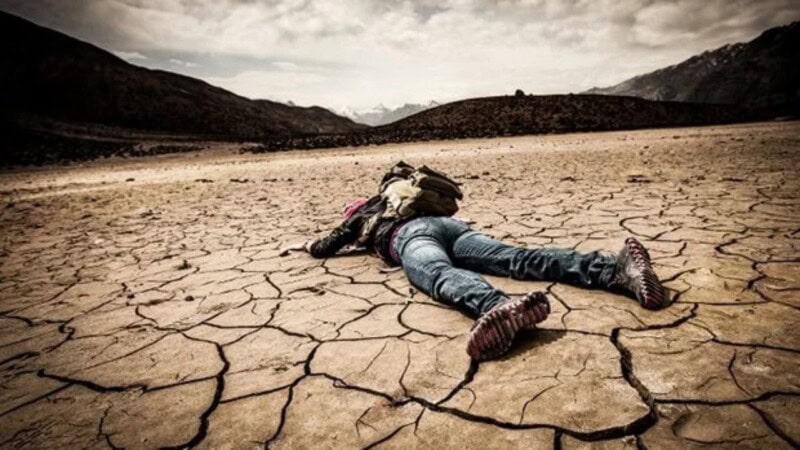
The term “Dry spell” has recently emerged as a trending topic worldwide, drawing attention due to the growing concerns surrounding prolonged droughts and climate changes affecting different regions. The phenomenon is causing severe disruptions, from water shortages in South America to significant changes in vegetation across Africa and scientific discoveries in Asia. This article delves into the widespread effects of “Dry spell,” exploring the regions most affected and the scientific explanations behind these prolonged dry conditions.
The Global Scope of “Dry spell”
The concept of “Dry spell” extends beyond just a lack of rain. It represents an imbalance in the natural hydrological cycle, leading to severe consequences for agriculture, water supply, and daily life. The regions most impacted recently include:
South America: Water Shortages and Rationing
Colombia is facing one of its driest periods on record. Authorities have implemented stringent water rationing policies to cope with the dwindling water supply. Reservoirs have reached critically low levels, making daily life increasingly challenging for millions. The “Dry spell” in this region highlights the vulnerability of water-dependent economies and communities.
Asia: Scientific Studies Reveal Historical Patterns
Recent studies indicate that cooling in the North Atlantic has previously triggered 200-year-long dry spellls in Asia. Scientists are drawing comparisons to modern climate shifts, analyzing whether similar conditions could repeat. The findings offer valuable insights into how long-term climate changes affect rainfall patterns and could provide a warning for future agricultural planning.
Africa: Lengthening Dry Periods and Vegetation Stress
Southern Africa is witnessing prolonged dry spellls, consistent with climate change projections. Vegetation is under increasing stress, impacting not only biodiversity but also food production. Farmers struggle to maintain their crops as water sources become less reliable. The trend signals the need for adaptive agricultural strategies to withstand recurring “Dry spell” conditions.
The Science Behind “Dry spell”
Meteorological experts attribute dry spellls to several interrelated factors:
-
Climate Change: Rising global temperatures contribute to changes in precipitation patterns, making some regions drier over time.
-
Oceanic Influence: Shifts in ocean currents, such as the cooling of the North Atlantic, have historically correlated with long-lasting dry conditions in specific areas.
-
Deforestation and Land Use Changes: Human activities, including large-scale deforestation, disrupt local weather patterns, reducing the likelihood of rainfall.
Understanding these factors is crucial for policymakers and scientists working on solutions to mitigate the effects of dry spellls worldwide.
Economic and Social Consequences of “Dry spell”
The ramifications of extended dry spellls extend beyond environmental concerns.
-
Agriculture: Farmers experience reduced yields, leading to increased food prices and economic instability.
-
Water Crisis: Municipal water supplies are strained, affecting daily life and hygiene.
-
Migration and Conflict: Communities facing prolonged drought may be forced to migrate, increasing tensions over limited resources in neighboring regions.
Adaptation and Mitigation Strategies
Countries affected by “Dry spell” are implementing various strategies to combat its effects:
-
Water Conservation Programs: Encouraging reduced water usage and promoting efficient irrigation techniques.
-
Drought-Resistant Crops: Agricultural scientists develop crops that require less water, helping farmers sustain production.
-
Renewable Energy Investments: Shifting to renewable energy sources helps mitigate climate change and reduce factors contributing to dry spells.
Conclusion
The global “Dry spell” trend is more than just a passing concern—it is a wake-up call for communities, scientists, and governments. With South America battling water shortages, Asia uncovering historical climate patterns, and Africa experiencing worsening dry conditions, urgent action is necessary. Understanding the causes and consequences of these prolonged dry periods allows for better preparation and mitigation strategies. Addressing “Dry spell” requires a collective effort to develop sustainable solutions that ensure water security and agricultural resilience for the future.
Read More: Zakat: Understanding Its Importance and Global Relevance Today