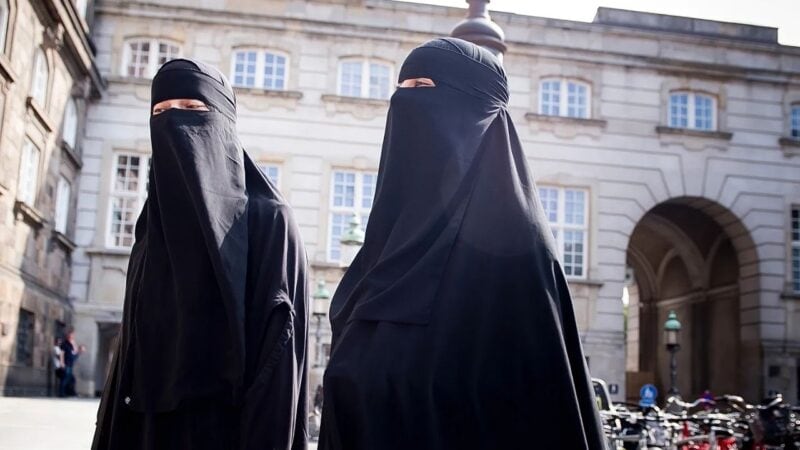
Portugal’s President Antonio Jose Seguro has signed into law a ban on face-covering garments in public spaces, a measure critics say will particularly affect Muslim women who wear full-face veils.
“The face must be considered a central element of human identity and communication,” Seguro said in a statement.
The law, referred to by local media as the “burqa law”, was approved by parliament in July with support from the right-wing governing coalition and far-right lawmakers. Left-wing parties opposed the legislation.
Under the law, people are prohibited from wearing clothing intended to hide their faces or prevent identification in public places. It also bans forcing another person to cover their face on grounds linked to gender, religion, age or origin.
Rights campaigners have argued that such restrictions can also affect women’s rights by imposing rules on how women dress.
Seguro described the issue as one of “great social and cultural sensitivity” while signing the legislation.
Those who violate the ban can face fines ranging from 150 to 3,000 euros ($170-$3,500).
The law includes exemptions for health, professional, artistic and weather-related reasons. Face coverings are also permitted inside places of worship and diplomatic missions and on aircraft.