An analysis published by ESPNcricinfo has described the current administrative period of Pakistan Cricket Board (PCB) as the worst in the country’s sporting history, following the board’s decision to release seven players and two coaches from the Test squad mid way through the series in England.
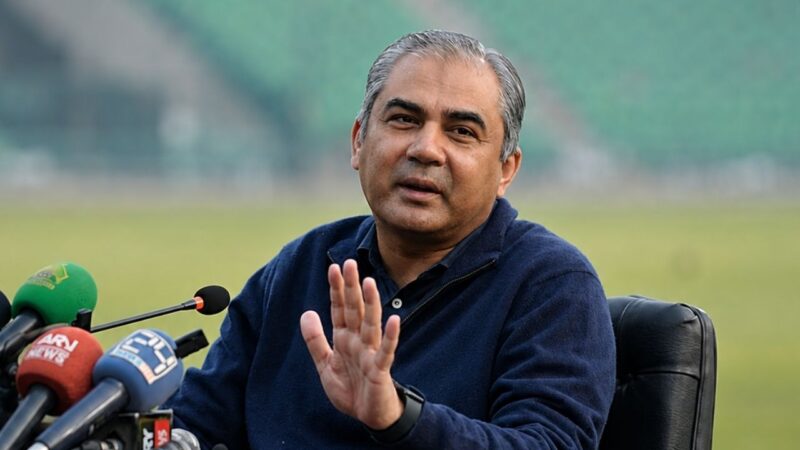
The piece centres on fast bowler Mohammad Ali, who fronted the post-match press conference on the third evening of the Birmingham Test without a PCB media manager present, a situation the analysis called “unthinkable for almost any board in this day and age.”
It argued that leaving Ali alone to face reporters mirrored a wider pattern, saying PCB administrations have effectively “abandoned” Pakistan’s players “for five years now.”
The piece placed the current results in context, pointing to totals of 171, 135, 110 and 194, an innings-and-103-run defeat, a 194-run loss, and 10 defeats in the last 11 away Tests, a run that leaves Pakistan at the bottom of the World Test Championship table.
According to the analysis, the roots of the team’s struggles go back five years, coinciding with the period since Ehsan Mani stepped down as PCB chairman, which it described as the last time the board had something resembling functional cricket administration.
It pointed to a shift toward dead pitches after a spell of well-prepared surfaces, the removal of an executive layer that concentrated power with the chairman, and a public standoff in which a chairman blamed the captain and team for a World Cup loss and leaked private messages to a television channel.
The piece also raised concerns about what it called the increasing “governmentalisation” of the board, with bureaucratic appointees holding limited cricketing knowledge now central to decision making. It warned this trend could set a precedent for future governments to use the board for their own purposes.
Domestic cricket drew criticism too. The analysis said the board has launched tournaments at great expense only for them to disappear quickly, has changed schedules at the last minute, and has failed to deliver promised increases in domestic pay. It cited the Under-19 red-ball and white-ball tournaments as an example, noting the board postponed them after a single day of play and never rescheduled them.
Low domestic wages, it added, are pushing many players toward the tape-ball circuit as a more reliable source of income.
The piece also referenced fast bowler Mohammad Abbas, who addressed reporters after taking nine wickets and earning a place on the Lord’s honours board. Abbas fielded questions about why the board sent him to the press conference instead of captain Babar Azam, and about the team’s professionalism, while praising the PCB’s upcoming central contracts system for offering clarity to red-ball and white-ball players.
The analysis noted that the media manager later reprimanded Abbas within earshot of journalists, for what it suggested was not answering as instructed.
The article concluded that the players including Ali, Ali Usman, Azan Awais, Abdullah Shafique, Saud Shakeel and Abbas, do not deserve the blame for the team’s results.
It argued that the side is a product of what it called a “decrepit and toxic system”, stressing that the players and Pakistan’s fans suffer most from it.