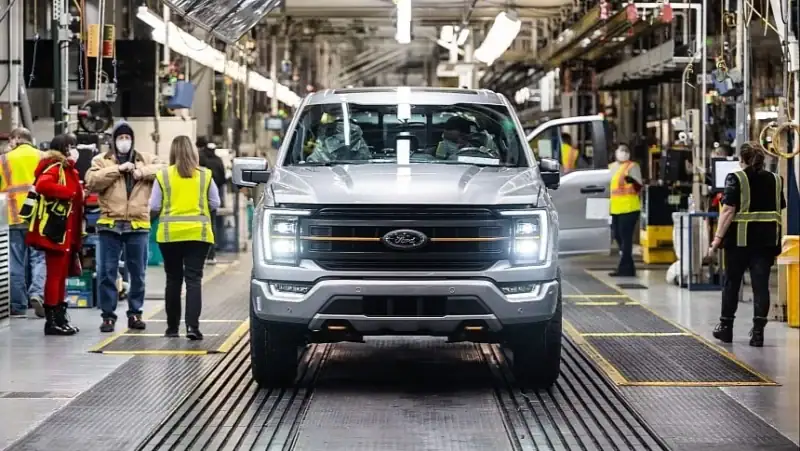
Ford Motor Company has rehired more than 300 experienced quality inspectors in recent years following the failure of automated Artificial Intelligence (AI) systems to match human skills and experience. The United States (US) automaker had previously implemented AI across parts of its operations, including quality checks, aiming to reduce costs and increase productivity.
According to Bloomberg, the company re-engaged the workers to address the shortcomings of its automated systems.
The deployment of AI occurred amidst significant financial market interest in the technology’s ability to increase company margins. Last June, Ford Chief Executive Officer (CEO) Jim Farley stated in an interview with author Walter Isaacson that “AI will leave a lot of white collar people behind.”
However, Vice President of Vehicle Hardware Engineering Charles Poon stated that the AI-driven inspection systems did not meet expectations. “Mistakenly, we thought that by just introducing AI and ingesting the design requirements that we had, that would produce a high-quality product,” Poon told reporters.
He noted that the automated tools lacked the training and expertise of veteran technicians, many of whom had exited the company before their specific knowledge could be integrated into the technology.
The company has now brought back these human workers to train its automated systems and mentor younger employees. “Artificial intelligence is a fantastic tool, but it’s only as good as the information you use to train it,” Poon stated.
He added, “Over prior years, we didn’t pay as much attention as we should have to the experience of our most knowledgeable engineers that have been with us through many product cycles.”
Poon explained that the company recognized it needed its most experienced individuals to train and enhance its automation, machine learning, and AI tools.
This adjustment coincided with Ford reaching the top position among mainstream US automakers in the JD Power Initial Quality Study, an industry benchmark ranking the company has not held since 2010.
In an official press release, Ford stated that “reaching best-in-class quality required a significant talent refresh.” This process included replacing senior leadership across its engineering, supply chain, and manufacturing divisions, alongside rehiring the 300 veteran engineers to utilize their decades of design experience.