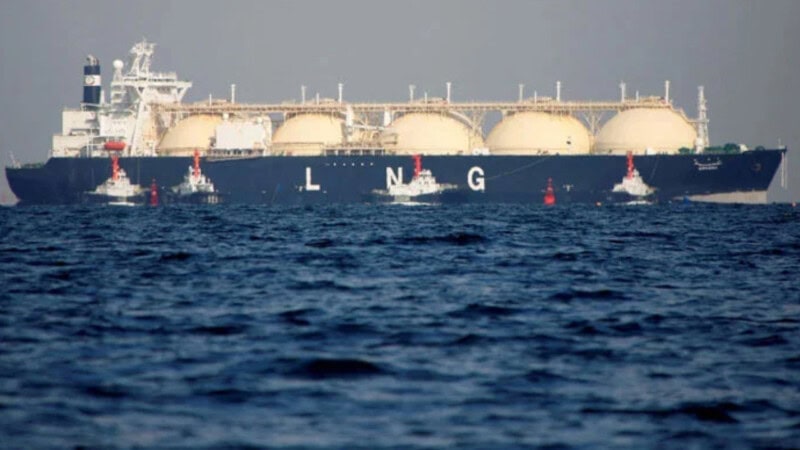
Domestic natural gas supply to the power sector is likely to increase by the end of April or early May as the government moves to manage pressure on electricity tariffs and loadshedding linked to the shortage of imported Liquefied Natural Gas (LNG) and rising summer demand.
News reports have said that arrangements are underway to raise gas supply to around 160 to 170 million cubic feet per day (mmcfd), compared to the current 85 to 90 mmcfd. An additional 20 to 25 mmcfd could be diverted from the CNG sector if the government maintains pressure to implement the shift.
According to the report, officials said that gas supply to the fertiliser sector would be safeguarded as far as possible due to concerns over stock levels and the price gap between locally produced urea, priced at Rs4,500 per bag, and imported urea, which stands at Rs15,000. This difference, they said, creates room for smuggling. However, fertiliser plants may not receive continuous gas and could operate on alternate schedules to meet demand for the current and upcoming crop seasons.
At a meeting of the cabinet committee on petroleum prices and supplies, Power Minister Awais Ahmad Khan Leghari warned that failure to divert additional gas to the power sector could lead to a rise in electricity fuel costs or increased loadshedding. According to an official, the minister told the forum, “It is a choice between the uproar of 7m gas consumers or 30m power consumers.” His ministry proposed diverting gas from residential users, the CNG sector or fertiliser plants.
Some members of the committee noted that reducing gas supply to domestic consumers could trigger a political reaction, affecting more than seven million users. Officials said that Liquefied Petroleum Gas (LPG), the alternative fuel for households, is currently being sold at more than double the rates set by the Oil and Gas Regulatory Authority (OGRA) due to weak enforcement.
The power division informed the meeting that the fuel cost adjustment (FCA) for February stood at Rs1.42 per unit and could have been close to Rs2 without the use of furnace oil and re-gasified LNG. It added that the FCA for April may be slightly higher than March but could more than double in May if furnace oil use increases.
The issue has been taken up by the National Coordination and Management Council, headed by General Zafar Iqbal, to address electricity shortages and maintain supply to key sectors.
Officials said that around 5,000 megawatts (MW) of plants in Punjab become either idle or costly to operate without RLNG. The cost gap between RLNG and high-speed diesel ranges between Rs20-21 and Rs50-54 per unit, while furnace oil-based generation costs around Rs35-45 per unit.
Authorities have already implemented at least two hours of loadshedding in recent days, with expectations of further increases, particularly at night when solar generation declines. Early market closures have also been ordered as part of demand management.
Hydropower output will depend on water management at Tarbela, where work on tunnels 4 and 5 remains delayed, while the Neelum-Jhelum plant remains out of operation.
Furnace oil is being used as an alternative during peak demand. Current stocks exceed 500,000 tonnes, which officials said is sufficient for more than 35 days. Summer demand is expected to reach 27,000 to 28,000MW, compared to less than 14,000MW at present.





