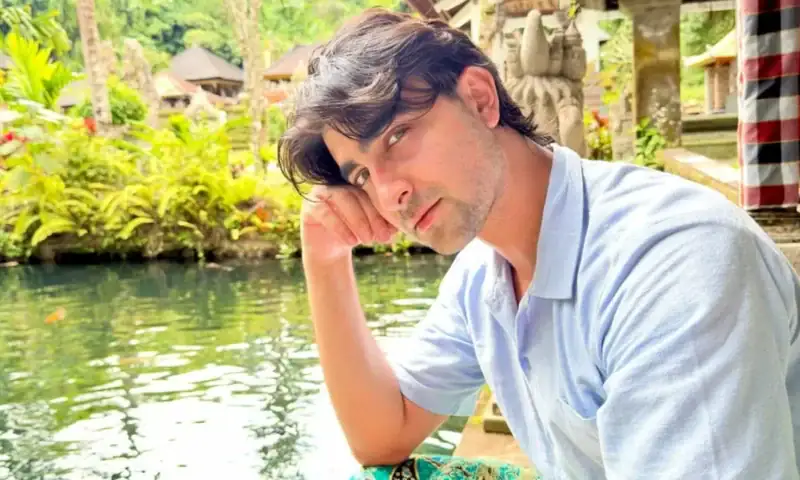
Digital creator Khaqan Shahnawaz has sparked intense debate online after sharing a video concerning public behavior during Independence Day celebrations.
The commentary responded directly to widely circulated footage showing crowds aggressively swarming and fighting over a public cake-cutting installation on August 14. Rather than placing direct blame on the crowd, Shahnawaz argued that the behavior stems from systemic inequality, a lack of educational access and neglect from the privileged class over the last 75 years.
Shahnawaz criticized upper-class social media users for calling the underprivileged population illiterate and ill-mannered. He emphasized that residents from rural areas and neglected government school systems never received basic opportunities or exposure. He stated, “If you saw some “Mano Salwa” lying in front of you and you had no idea whether you would ever get it again in your entire life, you would attack it too.”
He added, “The people you blame for ruining Pakistan? No, no, no. It’s ruined because of us,” pointing to the political power and platforms held by the wealthy.
The video prompted immediate polarization, dividing viewers into distinct camps regarding social responsibility, basic manners and civic duty.
A segment of viewers supported Shahnawaz for raising structural issues. Supporters expressed agreement through comments stating, “Bro woke up and chose violence and truth proud of you,” “100 percent this is true,” “More power to you sir,” “Accurate point,” and “Got so happy to see someone talk about this!”
Others remarked, “This makes a lot of sense,” “Shabash [Well done]. Keep raising your voice. Heartfelt,” “He’s not justifying those acts, it’s more like seeing things from another perspective and understanding why they behave like this,” and “I agree with every word and it’s making me sad. I wish we could do something to educate and provide more.”
Conversely, a large volume of users strongly rejected the rationale, arguing that basic discipline, manners and respect for public property stem from personal choices and home upbringing rather than formal education or wealth.
Critics wrote, “Privileged or not, these people won’t come out and stand for their rights, but yeah, freedom needs to be celebrated? Hitting each other, destroying public property. No matter how underprivileged, they didn’t come from a jungle. Do they destroy everything in their own homes like this?”
Another viewer noted, “I’m actually from a village in Pakistan in the Gujrat area, and the people in my village are not like this at all. They’re actually very well-mannered, shy, and respectful. I notice this kind of behavior much more in bigger cities.”
Further backlash focused on the distinction between literacy and self-awareness. Commenters stated, “Ghareebo ko bhi khane ki tameez hoti hai [Poor people also have eating manners] and honestly, more than the elite class. You cannot justify ill-mannered behavior,” “Decency doesn’t come with education. I’ve seen classless privileged people and unprivileged people being very ethical,” and “Character isn’t built by books or education alone, it’s built by the choices we make.”
Additional criticism questioned the execution, with one user noting, “Senseless video. We do not decide their future education. Politicians decide and amend their living privileges,” while another asserted, ” Your point is useless, these manners and etiquette are taught at home. Pakistan’s nation is not so helpless that they haven’t eaten cake before.”
Observations from overseas contexts were also highlighted. A commenter noted, “Same uneducated people come to the UAE and Middle East and live like civilized human beings. Why can’t they do the same when they are in their own country?”
Another user added, “Being illiterate is NOT the same as being ill-mannered. Lived in 3 countries in my life, I’ve seen poor and illiterate people everywhere and they are not like them.”
Some users pointed out that both poverty and personal accountability play a role, with one noting, “Both POVs make sense. Self-respect, worth and confidence are really messed up in many such people… Common Pakistanis should probably create and promote ethical and educational content.”