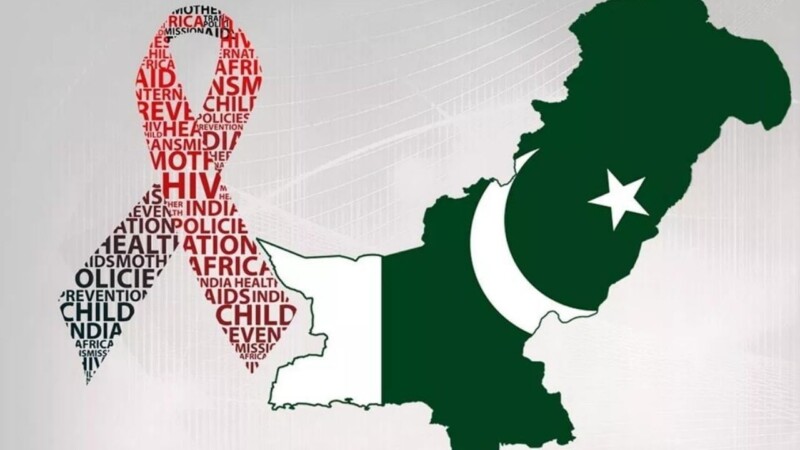
More than 2,108 children were registered as HIV positive in Pakistan between January 2025 and March 2026, data compiled by federal and provincial HIV control authorities has revealed.
According to said data, Sindh accounted for the largest share with 1,515 children registered as HIV positive, of which 329 cases were reported in the first quarter of 2026; Punjab ranked second with 418 children registered in 2025, KP third with 111 child infections during the same period whereas Balochistan, Islamabad and Azad Jammu Kashmir followed with 38, 22 and three cases, respectively.
While Gilgit Baltistan reported only one case, officials say the number of cases in 2026 so far could be inaccurate due to possible delays in reporting.
Of the total 2,108 cases, 1,274 were boys and 834 were girls, the data showed.
Meanwhile, health experts warn the continued spread of the virus among children reflects unsafe injections, poor infection prevention practices and unsafe blood transfusions.
Federal health ministry officials described the figures as “deeply worrying”, noting that most paediatric HIV infections in Pakistan are linked to preventable causes rather than behavioural risk factors.
“When over two thousand children are infected in just 15 months, it points to serious failures in the health system,” a report quoted a senior official as saying.
Provincial officials also acknowledged structural problems driving the epidemic, including unsafe syringe use, reuse of medical equipment, poor blood screening and weak oversight of private healthcare providers.
A Sindh health department representative said the province remained under pressure due to both old and newly emerging clusters of infection. “Sindh has been carrying a heavy HIV burden for years and children remain among the most vulnerable,” the official noted.
It merits a mentioned that public health experts have long cautioned that Pakistan’s HIV epidemic is no longer confined to key populations. Rising infections among women and children, they say, highlight unsafe medical practices and regulatory failures.
Experts have urged federal and provincial authorities to tighten blood screening, crack down on quackery, enforce single use syringes and strengthen infection prevention measures in both public and private health facilities.