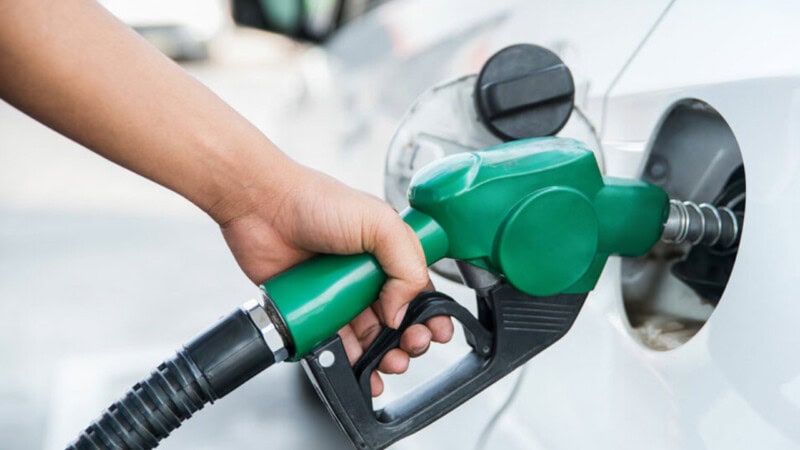
The federal and provincial governments have agreed to raise petrol and diesel prices within the coming days, transferring part of the imported cost to consumers while maintaining subsidised rates for specific groups, including bikers and farmers.
Finance Minister Muhammad Aurangzeb led a meeting with all four chief ministers, KP’s finance minister, and several federal economic ministers and secretaries to discuss the next steps in petroleum pricing.
“Prices of both petrol and diesel are set to go up within days. The quantum of increase is being worked out, depending on latest changes globally,” a senior official told a private media outlet.
He said that the full pass-through of international price changes cannot be ruled out, though protections will be maintained for selective segments depending on provincial priorities.
Currently, the price gap stands at roughly Rs100 per litre for petrol and over Rs200 per litre for diesel. Government discussions continue on whether the full petrol increase and half of the diesel gap should be applied to consumers. The final figures will rely on updated calculations from the Petroleum Division and Oil and Gas Regulatory Authority (OGRA), expected by Friday.
The federal government has already disbursed approximately Rs129 billion in subsidies over the past three weeks, with a ceiling of Rs158 billion planned.
Background discussions suggest President Asif Ali Zardari and Prime Minister Shehbaz Sharif urged the provinces to share the subsidy burden. Punjab and Sindh will provide support based on population, while Balochistan and KP will do so according to consumption.
All provinces agreed to subsidise fuel for bikers, with the prime minister set to announce rationing limits to ensure nationwide uniformity. Sindh will support farmers with diesel through its Hari card system, with Punjab and KP following similar measures.
Weekly subsidies for these measures are estimated at Rs15-18 billion, potentially rising to Rs30 billion, to be absorbed by the provinces until the fiscal year ends on June 30.
The meeting also decided not to raise fares for Bus Rapid Transit systems, though populations outside major cities may face disparities.
A finance ministry statement said that the consultations continued “under the guidance of the top political leadership for developing a coordinated and sustainable approach to petroleum pricing and subsidy reforms,” emphasizing collaboration between the Federation and provinces.





