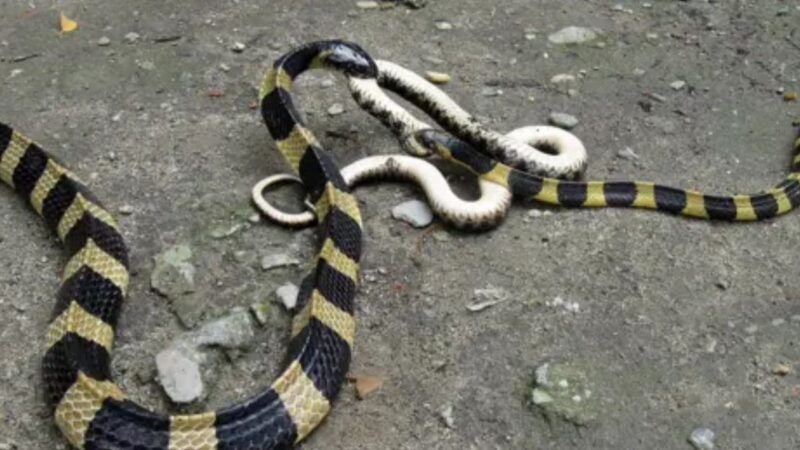
At least 1,060 people have suffered snake bites across Punjab between January and August 31, 2026, with six deaths reported during the period, according to Rescue 1122 data.
The figures include 614 men and 446 women, the Rescue 1122 report showed.
Snake-bite cases tend to increase during the monsoon as rainwater collects in low-lying areas and informal settlements. A Wildlife Department spokesperson said that snakes then move towards populated areas in search of dry and safer places.
Pakistan records an estimated 40,000 snakebites each year, although the actual number could be higher because many cases go unreported.
Lahore General Hospital received 10 snake-bite patients in August, the first month of the monsoon season. The patients came from areas around Lahore as well as Kasur and Okara and doctors provided all of them with anti-snake venom in time.
Pakistan has produced anti-snake venom locally through the National Institutes of Health (NIH) in Islamabad since 1967. However, local production does not meet the full demand, leading health facilities to also use imported anti-venom.
Wildlife expert and Mission Awareness Foundation founder Fahad Malik said that expanding urban areas and the increasing use of pesticides and fertilisers in agricultural areas were affecting the food supply of snakes, including cobras.
Malik noted that the population of sangchoor, or common krait, appeared to be increasing.
He added that cobras generally remain active during the day and spread their hoods when confronted by humans, while sangchoor are active at night and their bites can be particularly dangerous.
Environmental expert at the Ravi Urban Development Authority Abid Latif Sandhu said that last year’s flooding of the Ravi pushed large numbers of snakes out of their burrows as water reached areas that had remained dry for a long time.
Sandhu added that pesticides used in agricultural areas had reduced insect and small bird populations, affecting the food available to snakes and disrupting the natural balance that supports their populations.
Wildlife officials have advised citizens to take precautions around snakes, particularly during the rainy season.