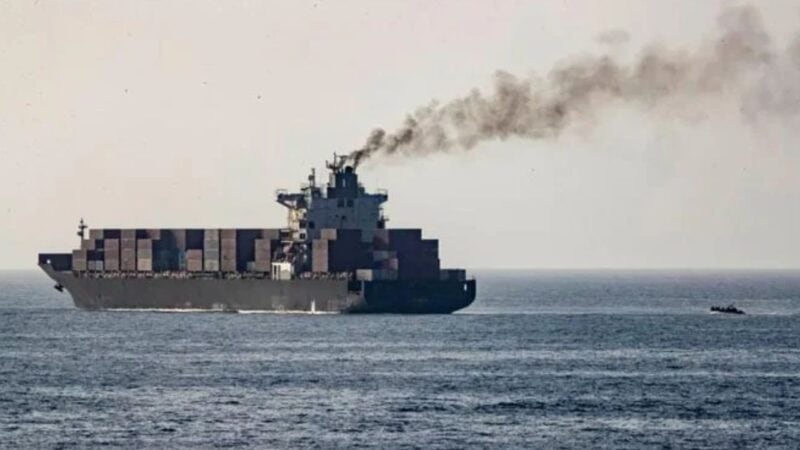
A tanker carrying liquefied natural gas (LNG) from Qatar has passed through the Strait of Hormuz on its way to Pakistan, marking the first in a planned series of shipments aimed at easing Pakistan’s energy shortages.
According to people familiar with the matter, the LNG cargo moved through the Strait of Hormuz after several days of discussions between Iranian, Pakistani and Qatari officials.
The vessel, Al Kharaitiyat, loaded in Qatar earlier this month and reached the Gulf of Oman before heading towards Port Qasim, according to ship tracking data from Kpler.
Officials said that Pakistan’s leadership had been in contact with Iranian authorities and the Islamic Revolutionary Guard Corps (IRGC) to secure safe passage.
Another official was quoted by reports as saying that Iran had agreed to assist Pakistan over its gas shortages and coordinated the safe passage of the LNG carrier, which is part of Pakistan’s long-term contract with Qatar, its main LNG supplier.
The arrangement is expected to cover a “limited” number of LNG vessels, with more shipments planned in the coming days. Along with Al Kharaitiyat, Pakistan is expecting three additional Qatari LNG cargoes to cross the Strait of Hormuz. One vessel, Mihzem, was also approaching the waterway.
Pakistan has maintained diplomatic engagement with Iran while also taking part in mediation efforts between Tehran and Washington to reduce tensions in the region.
The Strait of Hormuz, a key global energy route through which about one-fifth of the world’s oil and gas passes, has seen reduced vessel movement since the conflict between the US, Israel and Iran escalated.
Reports also indicate a US naval blockade has restricted shipping to and from Iranian ports.
Tensions in the region remain high, with Kuwait and the United Arab Emirates (UAE) reporting drone interceptions in their airspace.
Earlier in the day, Iranian state media said that Tehran had conveyed its response to US proposals aimed at ending the war. According to state-media, Iran’s response stated that “at this stage, talks should be focused on ending the war in the region”, without further details.
Senior Iranian military officials say that forces remain on high alert despite the ceasefire, warning that “any renewed aggression or miscalculations will certainly lead to surprises”.





