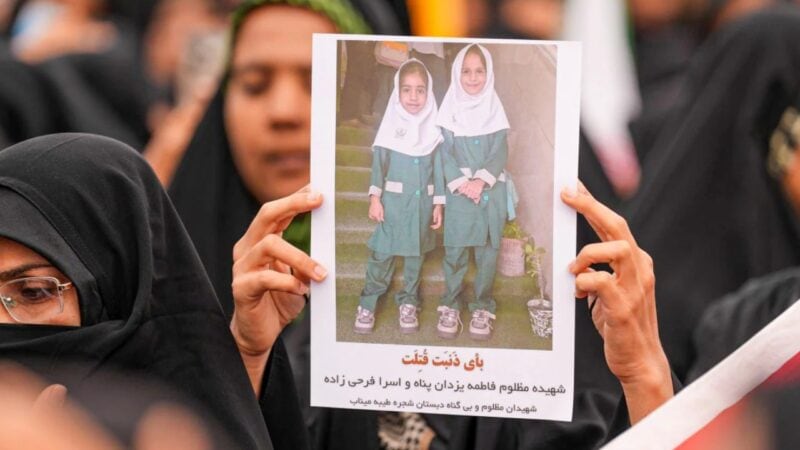
A Pentagon investigation has found that stale intelligence, outdated imagery and excessive reliance on artificial intelligence contributed to a US strike on a school in Iran that killed at least 123 children, media reports have stated, citing officials.
Two Tomahawk missiles struck Shajarah Tayyebeh Elementary School in the southern Iranian town of Minab on February 28, killing more than 150 people.
Some Pentagon personnel reportedly knew within hours that the United States (US) was responsible.
The investigation found that an order for an overwhelming air assault, involving more than 1,000 targets during the first 24 hours reduced the time available to finalise and assess targets.
Officials also cited cuts to personnel responsible for protecting civilians and gaps in intelligence about the site.
The location had previously formed part of a military compound but was later separated by walls and operated openly as a school.
Some personnel at US Central Command relied heavily on Palantir’s Maven Smart System, an artificial intelligence platform used to analyse and integrate intelligence, expecting it to identify outdated or conflicting information, the report added.
Palantir said it was “not responsible for the underlying data nor identifying intelligence deficiencies” and that there was no evidence its software was responsible for the strike.
After the attack, the company developed new tools to “re-review underlying intelligence to identify factors that would disqualify a target and flag inconsistencies and inaccuracies that human review may have missed”, a person familiar with the findings said.
The findings come after a UN-backed fact-finding mission said on Thursday that there were reasonable grounds to believe the United States (US) committed war crimes in two February airstrikes in Iran, including the Minab strike.
The mission said the attack on the school killed at least 178 civilians, including women and children, a figure higher than the 123 child deaths cited in the Pentagon investigation.