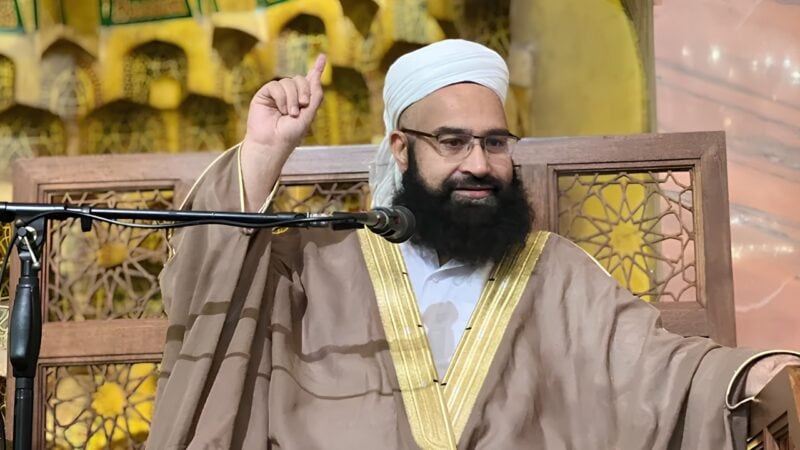
The office of the Archbishop of Canterbury has withdrawn an interfaith award given to Pakistani cleric and chairman of the Pakistan Ulema Council Hafiz Muhammad Tahir Mehmood Ashrafi after comments he made in 2007 about Al-Qaeda founder Osama bin Laden resurfaced.
Ashrafi was presented with the Hubert Walter Award for Reconciliation and Interfaith Cooperation by Archbishop of Canterbury Dame Sarah Mullally at a ceremony at Lambeth Palace on September 11, the 25th anniversary of the September 11 attacks.
Lambeth Palace said the award had recognised Ashrafi’s longstanding support for religious minorities in Pakistan, particularly the Christian community.
It later said previous comments by Ashrafi had come to light, prompting a reconsideration of the award, which was subsequently withdrawn.
The controversy centres on remarks Ashrafi made in 2007, when he was chairman of the Pakistan Ulema Council.
He had said the council would confer the title “Saifullah”, meaning “Sword of Allah”, on bin Laden in response to Britain awarding author Salman Rushdie a knighthood.
Ashrafi has said his remarks were taken out of context and were made during protests in Pakistan against the British honour given to Rushdie.
A spokesperson for him said the comments were not an endorsement of bin Laden and that his longstanding record against terrorism and extremism should also be considered.
Ashrafi said the Archbishop’s office had contacted him several days before the award was withdrawn over his position on Pakistan’s blasphemy laws.
He said he had told them that he could not change his position, arguing that misuse of the laws should be prevented but that the laws should remain in place because, in his view, they had helped save lives.
The National Secular Society had criticised the decision to honour Ashrafi, pointing to the timing of the ceremony on the anniversary of the September 11 attacks, in which nearly 3,000 people were killed.
Ashrafi said he had originally been contacted by the Archbishop’s office about two months earlier and told he had been selected for the award in recognition of his work on peace and interfaith and sectarian harmony.