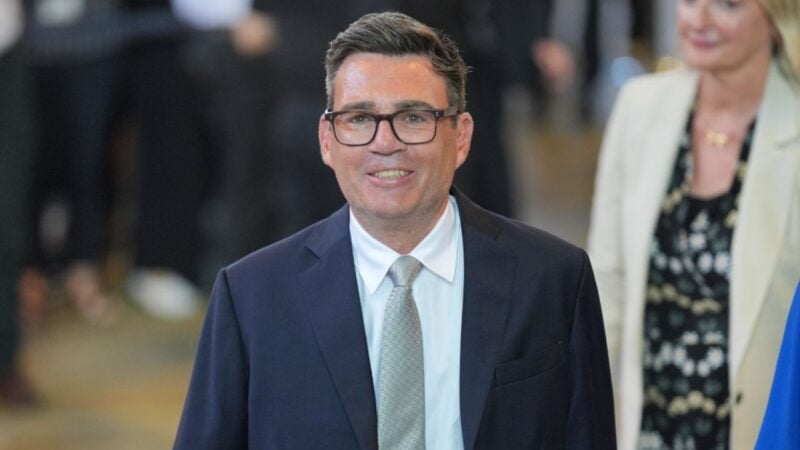
Andy Burnham will formally take office on Monday as Britain’s new Prime Minister, becoming the seventh leader in less than a decade to steer a nation grappling with persistent political turbulence and economic stagnation.
The 56-year-old Labour politician assumes power unchallenged after Keir Starmer stepped down following a series of election setbacks and controversies. Under British parliamentary rules, ruling parties can alter leadership mid-cycle without triggering a general election.
The traditional handover follows a familiar sequence of events in London. Starmer will travel to Buckingham Palace to formally tender his resignation to King Charles III, clearing the way for Burnham to arrive and accept the invitation to form a government.
Burnham will enter No. 10 Downing Street facing a demanding political inbox. His immediate challenges include tackling the cost-of-living crisis, stabilizing the National Health Service, and addressing contentious debates surrounding immigration.
In addition to this, Burnham also confront the surging momentum of Reform UK, led by Nigel Farage, which heads the nation’s anti-immigration movement, an urgent challenge requiring immediate action.
Having secured nominations from 379 Labour lawmakers after running unopposed, the former mayor of Greater Manchester has promised systemic change. He has vowed to reverse centralization trends originating in the 1980s and pass executive power back to ordinary citizens.
With Burnham’s tenure, Labour party aims to halt the swift succession of British leaders, establishing him as the nation’s seventh prime minister since 2016.





