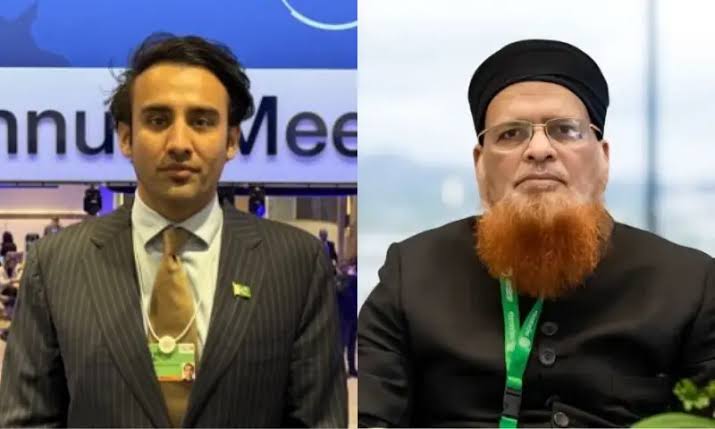
The Pakistan Virtual Assets Regulatory Authority (PVARA) is seeking to resolve a regulatory hurdle after a prominent seminary declared digital currency transactions impermissible under Islamic law.
PVARA Chairman Bilal bin Saqib has requested Jamia Darul Uloom to distinguish between speculative cryptocurrencies and asset-backed digital tokens after a fatwa issued on June 10 by Mufti Taqi Usmani and six other scholars labeled cryptocurrency transactions as “impermissible” and described the technology as “merely the recording of fictitious numbers in an account.”
The religious ruling has raised questions about Pakistan’s digital asset plans, given that the country remains one of the largest global markets for retail cryptocurrency activity.
Saqib confirmed to an international media outlet that PVARA is engaging with the seminary to evaluate digital assets by their specific categories rather than grouping them into a single asset class.
“The central question the fatwa raises is whether a digital asset constitutes recognised wealth under Shariah. That is precisely the right question, and it is why these instruments must be examined individually,” Saqib said.
The PVARA chairman noted that blockchain-recorded sukuk (Islamic bonds) represent ownership of real, income-generating assets. He added that gold-backed tokens and fully reserved stablecoins hold enforceable claims on tangible, redeemable items.
Saqib clarified that blockchain itself functions as “a record-keeping and verification technology, not a financial asset.”
However, the regulator acknowledged the seminary’s concerns regarding purely speculative tokens that lack underlying assets, stating that “the scholars’ concerns there must be taken seriously.”
“We will continue working closely with our scholars as Pakistan develops its licensing framework and advances work on stablecoins and real-world asset tokenisation,” Saqib said.
Market analysts suggest that the religious decree could impact long-term institutional integration. Waqas Ghani, head of research at JS Global Capital, noted that the edict could become “a hurdle to broader, bank-led crypto adoption beyond Pakistan’s urban trading community.”
Despite this, Ghani observed that local cryptocurrency trading volumes have not shown any immediate impact.
The outreach efforts continue, with Saqib recently reporting a “constructive discussion” with Mufti Usmani regarding the Shariah status of digital assets. During the meeting, Saqib explained that “blockchain, digital assets, stablecoins, and tokenised real-world assets represent a broad spectrum of technologies and use cases.”