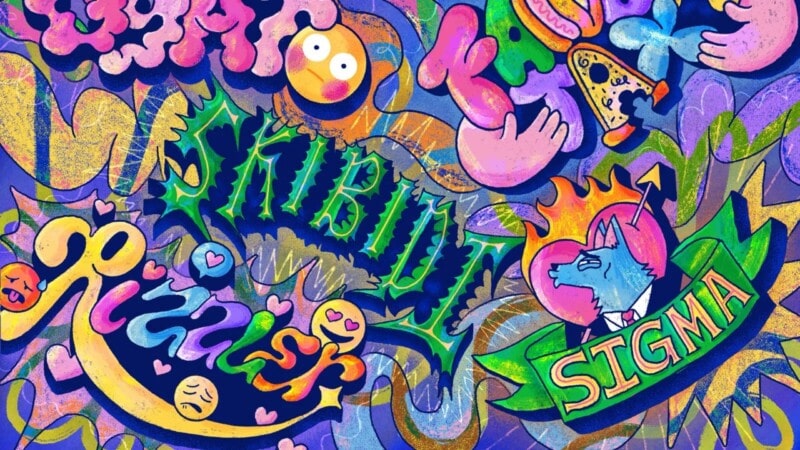
Language evolves with every generation, and Gen Alpha is no different. This group, born roughly from 2010 onwards, is already shaping how we speak online and in person. Gen Alpha slang is fresh, innovative, and reflective of their digital-first world. Whether you’re a parent, teacher, or just curious, understanding their lingo can help you connect with the youngest generation.
But what exactly is Gen Alpha slang? How is it different from the words used by Millennials, Gen Z, or even Boomers? Stick around because we’re breaking it all down.
Who Is Gen Alpha?
Gen Alpha refers to kids born between 2010 and the early 2020s. They’re the first generation to grow up completely immersed in technology. Tablets, smartphones, and social media are as natural to them as breathing. Since they’re digital natives, their slang reflects the environments they interact with most TikTok, YouTube, and gaming platforms.
You might notice that Gen Alpha slang borrows from Gen Z, but it also brings its own flavor. While older generations stretch their words across memes or emojis, Gen Alpha prefers quick, effective communication.
Why Gen Alpha Slang Is Unique
Every generation has its linguistic quirks. Baby Boomers had “groovy,” Gen X had “rad,” Millennials had “on fleek,” and Gen Z brought us “slay.” For Gen Alpha, the challenge is fitting expressive ideas into shorter, faster formats.
Emoji shortcuts, quick codes, and even completely new acronyms highlight their way of thinking. They want language that’s adaptable, but they also want it to fit their hyper-connected, fast-paced lives. This pushes slang into something that evolves weekly instead of over the years.
Popular Gen Alpha Slang Terms
Now, let’s get into the fun part actual examples of Gen Alpha slang. Keep in mind that these terms might change as quickly as they catch on.
NPC
NPC stands for “non-playable character,” a term borrowed from video games. Gen Alpha uses it to describe someone who seems boring, robotic, or out of touch. For example, “He’s such an NPC; he doesn’t even understand memes.”
Rizz
“Rizz” means charisma or charm, especially when it comes to flirting. Someone might say, “She’s got mad rizz!”
No Cap
This phrase means “no lie” or “I’m serious.” The opposite is “cap,” which means a lie. If someone says, “That was the best party, no cap,” they truly mean it.
Bet
“Bet” is a way to agree with someone. Instead of saying “okay,” Gen Alpha might just reply with “bet.” For instance, “Wanna play Fortnite later?” “Bet.”
Slaps
If something “slaps,” it’s amazing. For example, “This song slaps!”
Drip
“Drip” refers to someone’s style or appearance, especially their fashion. Someone might say, “Look at his drip it’s on point!”
Sus
Short for “suspicious,” this term became popular thanks to the game Among Us. It’s used to describe something fishy or weird. For example, “That excuse is so sus.”
Based
If something is “based,” it’s authentic or true to your values. For instance, “Speaking up for yourself like that was so based.”
Bruh
“Bruh” isn’t new, but Gen Alpha uses it as a catch-all reaction. Whether they’re shocked, annoyed, or even amused, “bruh” does it all.
Glow-Up
This term talks about someone’s transformation, usually for the better. For example, “She had the biggest glow-up over summer break.”
How Gen Alpha Learns and Spreads Slang
Gen Alpha slang spreads faster than any generation before it. Why? Social media platforms and online games massively amplify how they communicate. Instead of just passing phrases around their school hallways, they trade them across TikTok comments, streamers’ chats, or Discord servers.
Take TikTok, for example. Trends rise and fall like waves on this platform. A single video can make a slang term go viral overnight. If enough influencers repeat it, everyone from elementary schoolers to celebrities might pick it up.
Online gaming platforms like Roblox or Fortnite also play a role. These universes are where Gen Alpha meets, bonds, and creates shared cultures. Words coined within these games often break out into wider slang usage. For instance, terms like “cracked” (meaning highly skilled) originated in gaming.
The Influence of Memes and Trends
Memes are crucial to Gen Alpha slang. You’ve probably seen screenshots of bizarre TikTok comments that sound like their own language. These snippets go beyond just humor—they’re how Gen Alpha creates in-groups and shared identities.
Certain phrases become part of larger meme trends. For example, someone might take “slay” and invent a variation like “slaytastic.” Fast humor keeps slang evolving.
How to Keep Up with Gen Alpha Slang
Feeling a little lost? You’re not alone. Gen Alpha slang shifts so quickly that even its own users don’t keep up with every new term. But here are a few tips to help you stay in the loop.
Follow Social Media Trends
Platforms like TikTok and Instagram often showcase the latest slang. Watching viral videos can help you spot new phrases early.
Engage with Younger People
If you’re around kids or teens, listen to how they talk. Direct observation is often better than searching slang dictionaries.
Search Urban Dictionary
Urban Dictionary can be a lifesaver. Just remember, not every term catches on universally.
Watch Gaming Content
Streamers and gaming YouTubers often use or explain slang naturally. Platforms like Twitch are a goldmine for real-time examples.
Ask Without Judgment
Sometimes, the easiest way to learn a term is to ask the person using it. Just remember to be open and curious, not judgmental.
Slang Beyond Gen Alpha
Gen Alpha slang isn’t just for kids. Much like how Millennials adopted Gen Z lingo, plenty of their terms will spread beyond their age group. Over time, some phrases become mainstream, while others fade into obscurity.
You’ve probably already seen examples of Gen Alpha slang in pop culture without realizing it. Many words jump from online spaces into song lyrics, movie dialogues, or even TV ads.
Why Understanding Slang Matters
Keeping up with slang can feel overwhelming. But understanding it goes beyond just being “cool.” It’s about bridging communication gaps between generations. When you understand how Gen Alpha expresses themselves, you gain insight into their feelings, humor, and way of thinking.
For parents and educators, this connection is invaluable. If kids use phrases like “rizz” or “no cap,” knowing what they mean can help you join the conversation instead of feeling excluded.
Final Thoughts
Gen Alpha slang is shaping the modern language landscape. It’s fast, adaptable, and rooted in highly digital lives. Whether it’s terms like “sus,” “drip,” or “NPC,” their language shows a mix of creativity and efficiency.
If you want to keep up, immerse yourself in the strategies mentioned above. The world of Gen Alpha slang might first feel odd, but it’s a window into how the youngest generation sees their rapidly changing world.
Read More: The Remarkable Life of Asalia Nazario