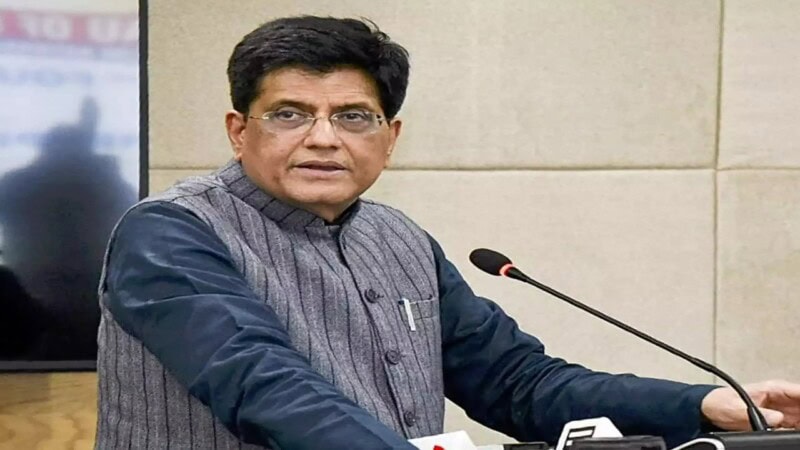
India’s startup ecosystem has grown tremendously in recent years. The country is now home to numerous unicorns and a wide range of entrepreneurial ventures. However, despite the growth, many experts and industry leaders are raising concerns about the quality and impact of these startups. Piyush Goyal, India’s Union Minister for Commerce and Industry, recently voiced his frustrations, arguing that Indian startups are focusing too much on short-term, consumer-focused businesses rather than creating groundbreaking, future-oriented technologies or innovations. Let’s explore why this is happening and why Indian startups may be failing to build the future.
The Rise of Consumer-Focused Startups
Many of the most well-known startups in India today are in the consumer space. These businesses typically focus on providing services like food delivery, e-commerce, or ride-hailing. While these companies have grown rapidly, the question is: are they really innovating, or are they just offering services that already exist in a slightly more efficient or convenient form?
Take food delivery apps like Zomato and Swiggy, for example. They didn’t invent food. They simply connect consumers to existing restaurants. Similarly, ride-hailing apps like Ola and Uber didn’t create the taxis—they just made it easier to book a ride. This model is great for consumers in the short term, but it doesn’t create new industries or push forward new technology that will shape the future.
Lack of Original Research and Innovation
One of the major criticisms of the Indian startup ecosystem is that it often doesn’t focus on original research or innovation. Most startups are based on ideas that have already been tested in other countries or even in India. They improve on existing ideas but don’t create completely new solutions to big, global problems.
For instance, while there are a few companies developing innovative products in areas like artificial intelligence (AI), robotics, and biotechnology, they are in the minority. The majority of successful startups focus on services that enhance convenience for consumers rather than tackling large-scale issues like healthcare, education, or renewable energy.
Venture Capital and the Drive for Quick Profits
Another factor contributing to the lack of long-term innovation in Indian startups is the influence of venture capital (VC). VCs are always looking for businesses that can scale quickly and deliver high returns. This often leads startups to focus on short-term growth rather than long-term research or developing technologies that might take years to become profitable.
Take the case of many e-commerce companies in India. While they have become massive businesses, much of their growth has been driven by heavy discounts, often funded by venture capital. This creates a cycle where the company needs to continually attract investment rather than focus on long-term, sustainable growth. As a result, these companies are not building the kind of technological infrastructure or solutions that will shape the future.
Disrupting Existing Businesses Without Creating Value
One of the biggest debates in the startup world is whether these new companies are creating real value or just disrupting existing businesses. The emergence of quick-commerce businesses (companies that deliver groceries and other essentials in minutes) and food delivery apps, for example, has led to the destruction of many small businesses.
While these startups claim to create jobs, the reality is that they often take business away from local mom-and-pop stores, forcing them to close down. Is that truly value creation? In the case of Lenskart, which has become a dominant player in the eyewear market, it raises the question of whether it is simply drawing customers away from traditional eyewear shops through discounts rather than creating value.
The Job Creation Debate
Startups are often praised for creating jobs, but there is a deeper question here: Are these jobs really adding value to the economy, or are they just reshuffling existing jobs? Take food delivery, for instance. While it’s true that many people are employed as delivery drivers, these jobs often come with low wages and a lack of benefits. They’re also largely dependent on the growth of these apps, which may not be sustainable in the long term.
Many startups are designed to scale quickly and disrupt industries. However, they rarely focus on creating stable, long-term employment opportunities or adding value to the economy as a whole. The real test for these startups will be whether they can create jobs and growth that benefit society, rather than simply shifting profits and business from one player to another.
The Rentier Economy: Profiting from Inefficiencies
One of the clearest examples of how many startups in India are failing to build the future is the rise of businesses that profit from existing inefficiencies rather than trying to solve fundamental problems. The education technology (EdTech) sector in India is a prime example of this. Companies like Byju’s have raised billions of dollars, but their business models often rely on exploiting the insecurities of parents and students rather than addressing the core issues in India’s education system.
These startups make money by offering expensive courses, often at the cost of the consumers’ financial well-being. In many cases, these companies haven’t truly revolutionized education. Instead, they’ve taken advantage of the gaps in public education and sold overpriced solutions, without offering substantial value.
The Need for a Shift in Focus
The Indian startup ecosystem is at a crossroads. If India is to become a global leader in innovation, the focus must shift from creating short-term, consumer-driven businesses to long-term, technology-driven solutions. Indian entrepreneurs need to think bigger—focusing on areas like renewable energy, healthcare technology, infrastructure, and education reform. These are the sectors that have the potential to truly change the world and provide sustainable growth for the Indian economy.
It’s time for Indian startups to think beyond consumer convenience and start solving real-world problems. Building groundbreaking technology and infrastructure may take time, but that’s the kind of innovation that will define the future.
What Needs to Change?
There are several ways India can foster the kind of innovation that will build the future:
-
Encourage Risk-Taking: The Indian government and investors must create an environment where entrepreneurs feel safe to take risks, especially in fields like research and development.
-
Focus on Education and Skill Development: India’s education system needs to evolve to support entrepreneurship and innovation, not just job placement.
-
Provide Long-Term Support: Rather than focusing solely on quick profits, startups should be given more long-term support to develop disruptive technologies and ideas.
Conclusion
While Indian startups have made impressive strides in creating convenient solutions for consumers, the real challenge lies in creating businesses that will change the future. It’s not just about food delivery apps or e-commerce true innovation will come from industries like healthcare, energy, and education. If Indian entrepreneurs can focus on these areas and think long-term, they can build the kind of businesses that will shape the world of tomorrow. It’s time to move beyond the status quo and build something that will truly make a difference.