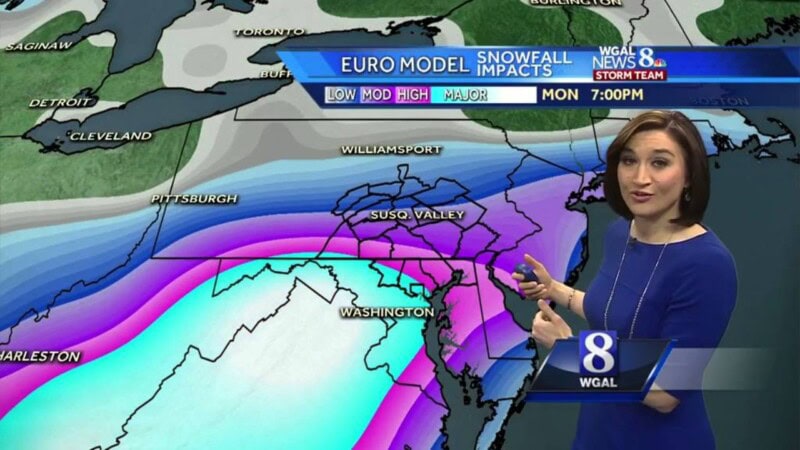
Winter storms are making their presence known across the U.S., bringing heavy snowfall, strong winds, and dangerously low temperatures. With the season in full swing, the latest snow storm weather forecast indicates several regions will face significant disruptions due to incoming storms. Understanding the severity, expected impact, and real-time developments is crucial for travelers, homeowners, and businesses alike.
Accurate weather tracking helps prepare for sudden temperature drops, icy roads, and potential power outages. With this in mind, let’s take a closer look at what states are getting snow right now and how conditions are evolving across different regions.
Real-Time Snow Storm Weather Forecast
What States Are Getting Snow Right Now?
Currently, snowfall is affecting multiple states, particularly in the Midwest and Northeast. Heavy bands of snow are sweeping across Minnesota, Wisconsin, and Michigan, with reports of blizzard-like conditions in some areas. Colorado and the surrounding Rocky Mountain region are also experiencing steady snowfall, leading to concerns over road safety and travel disruptions.
Forecast models predict snowfall rates of up to 2 inches per hour in some locations, with wind gusts exceeding 40 mph. These conditions contribute to reduced visibility, icy roads, and hazardous travel situations.
State-by-State Snow Storm Impact
Snow Storm Weather Forecast Colorado
Colorado remains one of the most affected areas, with meteorologists warning of an approaching snowstorm that could drop between 8 to 12 inches of snow in higher elevations. Denver and surrounding regions are likely to see steady accumulation, prompting concerns over road closures and flight delays. Wind chills could push temperatures well below freezing, adding another layer of danger for those caught outdoors.
Northeast & Midwest: Cold Front & Lake-Effect Snow Patterns
In the Northeast, states such as New York, Pennsylvania, and Massachusetts are bracing for lake-effect snow. This phenomenon, caused by cold air moving over warmer lake waters, is expected to bring intense bursts of snowfall. Buffalo and Syracuse, for example, could receive over a foot of snow in the next 24 hours. The Midwest, including Illinois and Ohio, is also on alert as a strong cold front moves through, dropping temperatures and bringing persistent snowfall.
Western U.S: Mountain Regions with Heavy Snowfall Warnings
The Sierra Nevada and Cascade mountain ranges are seeing significant snowfall as well. Ski resorts in California and Washington are reporting fresh powder, but road conditions in these areas are becoming treacherous. High-altitude passes may experience closures due to avalanche risks, making travel difficult for residents and tourists alike.
Storm Intensity & Possible Power Outages
Ice Accumulation & Blackout Risks
One of the biggest concerns during a weather forecast snow storm is the potential for ice buildup on power lines and trees. Freezing rain mixed with snow can create dangerously slick conditions, leading to widespread power outages. Utility companies in affected regions are preparing for emergency responses, as ice accumulation of even a quarter-inch can be enough to snap power lines and disrupt electricity for thousands of homes.
How to Prepare for Power Outages in Freezing Temperatures
Residents in storm-affected areas should take precautions, including stocking up on essentials such as food, water, and emergency heating supplies. Keeping mobile devices charged, using alternative heat sources safely, and having an emergency plan in place are all critical steps to weathering the storm.
For more winter preparedness tips, check out our guide on Bengaluru Weather and Air Quality Overview.
Weather Expert Predictions & Live Updates
What Meteorologists Are Saying About Upcoming Storms
Weather experts warn that this storm system is part of a larger pattern expected to persist throughout the season. Climate models suggest that the cold air mass currently driving snowfall in the Midwest and Northeast will continue pushing southward, potentially impacting states that rarely see heavy snow.
Where to Track Live Storm Progress
For those needing real-time updates, tracking tools such as NOAA’s National Weather Service, AccuWeather, and The Weather Channel provide live radar imagery and forecasts. These platforms help residents stay informed about storm movement, intensity, and duration.
Final Thoughts
The latest snow storm weather forecast highlights the need for vigilance as winter storms intensify across multiple regions. From Colorado’s snowfall concerns to lake-effect snow in the Northeast, conditions are evolving rapidly. Preparing for travel disruptions, power outages, and freezing temperatures is essential to staying safe during this period of extreme weather.
Stay updated with real-time forecasts and take necessary precautions as the season unfolds.
Read Also: Why US National Park Staff Cuts Sparked Major Backlash?