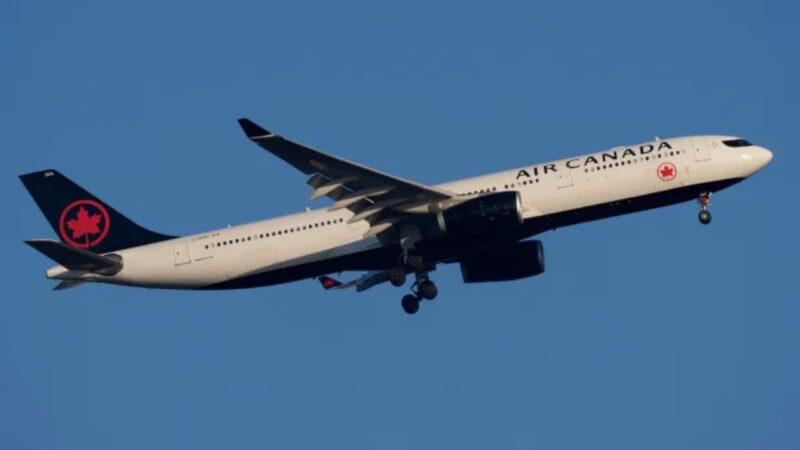
A former Air Canada captain has been arrested in Canada on charges of fraud after allegedly commanding more than 900 domestic and international flights using a fraudulent pilot licence over nearly 17 years.
Peel Regional Police in Ontario charged Geoffrey Wall, 59, following a four-month investigation. Police said that Wall used fraudulent licences to fly between 2009 and 2025, deceiving both Air Canada and civil aviation authorities about his credentials before retiring last year.
Wall held a valid commercial pilot licence but did not have an airline transport pilot licence, the highest level of certification required to captain commercial aircraft.
He faces one count of fraud, two counts of uttering forged documents, three counts of possessing a counterfeit trademark and one count of public mischief.
Peel Regional Police Chief Nishan Duraiappah said that the case “strikes at the heart of public trust and safety”, adding that the accused had allegedly put hundreds of thousands of passengers at risk across the flights he commanded.
Air Canada said that passenger safety had not been compromised, noting that all pilots undergo mandatory training every six months and an annual flight check with a certified pilot.
The airline said that Wall had met or exceeded his training requirements and demonstrated competency to operate large aircraft. It added that an audit of its pilots found no other instances of non-compliance, and that it had voluntarily reported the matter to Transport Canada after removing Wall from active duty.
Hassan Shahidi, a licensed pilot who heads the US-based Flight Safety Foundation, described the case as “exceptionally rare.” He told Al Jazeera that if the allegations are proven, the key issue was not that an untrained person had been flying airliners, but that the pilot had bypassed a fundamental regulatory requirement for years. Shahidi said that the case could point to weaknesses in licence verification and oversight processes.
“The larger concern is the apparent failure of a regulatory safeguard that is supposed to ensure trust in the system,” he said.