The World Health Organization (WHO) has declared the Ebola outbreak in the Democratic Republic of Congo (DR Congo) a public health emergency of international concern, warning of wider regional spread after confirmed cross-border transmission into Uganda.
The outbreak is centered in eastern Ituri province, where authorities have reported around 246 suspected cases and 80 deaths. WHO confirmed eight laboratory cases linked to the Bundibugyo strain of Ebola. While it does not meet pandemic criteria, officials warned it carries a significant risk of regional spread due to population movement and weak health infrastructure.
Cases have been reported across health zones including Bunia, Mongwalu, and Rwampara. One infection was confirmed in Kinshasa in a patient who had traveled from Ituri. In neighbouring Uganda, two cases were confirmed, including a 59-year-old man who died after testing positive.
His body was later returned to DR Congo. A case has also been reported in Goma, raising concerns of wider geographic spread.
US officials reported that at least six Americans were exposed, with one showing symptoms, though no infections have been confirmed. The Bundibugyo strain currently circulating has no approved vaccine or treatment.
Ebola spreads through direct contact with infected bodily fluids such as blood, vomit, or other secretions. It can enter the body through broken skin, eyes, nose, or mouth, and can rapidly damage internal organs, often becoming fatal as the disease progresses.
Early symptoms include fever, fatigue, headache, and muscle pain, followed by vomiting, diarrhoea, rash, and in severe cases bleeding. The incubation period ranges from 2 to 21 days. Historical outbreaks have shown fatality rates of around 30% for this strain.
Health experts warned that traditional burial practices involving direct contact with bodies of the deceased have contributed to past transmission chains. Africa CDC director general Jean Kaseya urged strict adherence to infection prevention measures, especially during funerals.
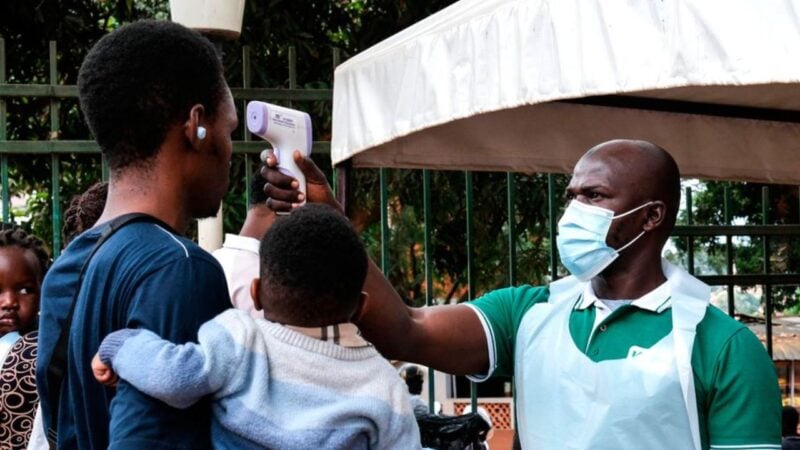
The WHO said the outbreak risk is increased by insecurity, population movement, and limited healthcare capacity in eastern DR Congo. Countries including Uganda and Rwanda have strengthened surveillance and border screening.
WHO Director-General Dr Tedros Adhanom Ghebreyesus said “significant uncertainties” remain about the scale and spread of the outbreak, urging continued monitoring. The agency also advised against travel and trade restrictions, saying they are not scientifically justified.