The United Nations’ World Meteorological Organization (WMO) announced on June 2 that an El Niño climate pattern is developing, with an 80 percent probability of emerging between June and August.
According to the WMO update, the phenomenon will influence global temperature and rainfall patterns, with forecasts showing a near or above 90 percent probability that conditions will persist until at least November.
The pattern, which develops every two to seven years, is driven by unusually warm surface waters in the central and eastern equatorial Pacific Ocean, causing shifts in winds, pressure, and rainfall.
While conditions typically fluctuate between El Niño, neutral phases, and La Niña, current forecast models indicate that this upcoming event will reach at least a moderate and potentially strong, intensity.
The declaration has triggered direct reactions regarding localized environmental risks.
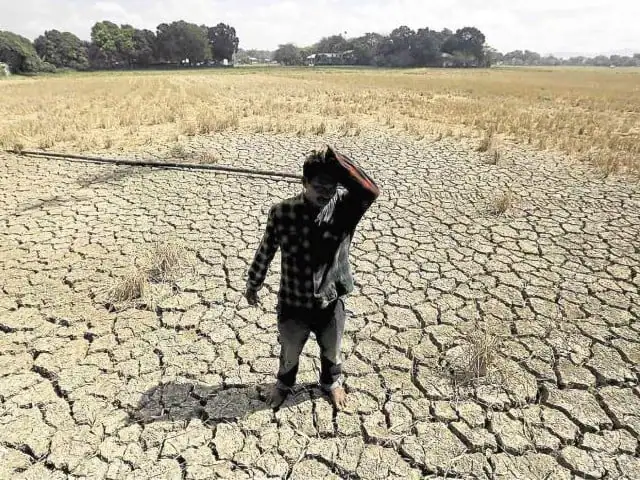
World leaders specifically cited prospects of unevenly distributed droughts, heavy rainfall events and heatwaves globally. The WMO statement noted that the development of a strong El Niño raises fears of additional heat, including marine heatwaves, multiplying the impact of long-term climate warming.
Because of the pattern’s powerful influence over the world’s weather, the agency stated that a strong event could create ripple effects for months to come.
While uncertainty remains regarding the peak strength and timing of the cycle, historical data shows the pattern typically lasts until September, though extreme cases can stretch into December.