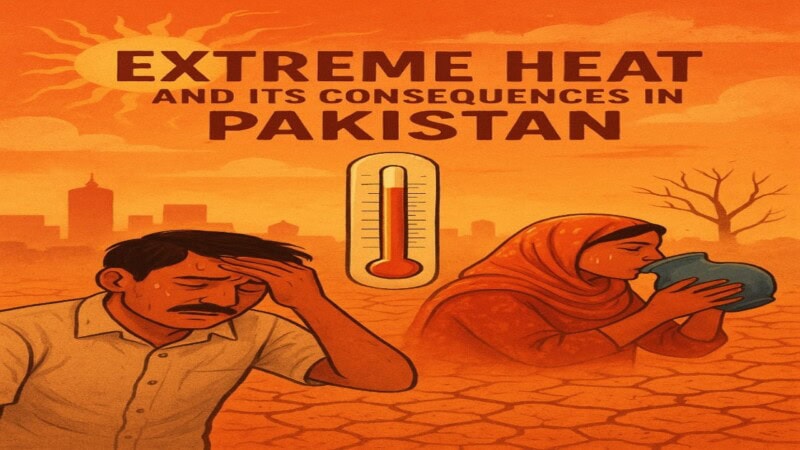
Farmers in Multan suffer the most from extreme heat in an increasingly warm Punjab
Extreme heat and other problems of the climate crisis are damaging the health and exacerbating the living conditions of agricultural workers in Multan, leading to crop damage, heat-related illnesses, and other negative impacts. No one is safe from these impacts. Regardless of what you are doing, like working in agriculture, infrastructure or try your luck the online casino games.
Climate change is having a drastic impact on Pakistan’s Punjab. Extreme heat, floods, and unseasonal weather patterns are endangering lives, health, and agriculture. Farmers are struggling alone against critical water shortages and crop failures, as this region hardly receives sufficient health care and disaster relief.
Allah Wasaai, a 52-year-old farmer from Rangpur in the Pakistani province of Punjab, has experienced the dangers of climate change firsthand. In 2022, she and her family were forced to leave their home near the banks of the Chenab River in the city of Multan after catastrophic flooding destroyed all their belongings. Now they have moved to Muzaffargarh, and they were struggling with extreme heat – a stark contrast to the monsoon rains normally expected at this time of year.
“The weather conditions have changed a lot,” said Wasaai. “We either have heavy rains that flood our homes, or we suffer from a lack of rainfall that affects our lives and work. We never lead a normal life.”
Man-made global warming is leading to hotter, more frequent, and longer-lasting heatwaves, as well as disruptions to weather patterns and natural disasters. Although Pakistan is responsible for less than one percent of global greenhouse gas emissions, it is one of the countries most affected by climate change, according to the 2021 Global Climate Risk Index. According to a report by the Asian Development Bank, temperatures in Pakistan are expected to rise by an average of three to five degrees Celsius by the end of the century, and possibly by as much as four to six degrees if global carbon emissions continue to rise. The country is expected to face greater fluctuations in river water levels due to erratic rainfall and accelerated glacier melting.
“The weather conditions have changed a lot,” said Wasaai. “We either have heavy rains that flood our homes, or we suffer from a lack of rainfall that affects our lives and work. We never lead a normal life.”
The Challenges
Man-made global warming is leading to hotter, more frequent, and longer-lasting heatwaves, as well as disruptions to weather patterns and natural disasters. Although Pakistan is responsible for less than one percent of global greenhouse gas emissions, it is one of the countries most affected by climate change, according to the 2021 Global Climate Risk Index. According to a report by the Asian Development Bank, temperatures in Pakistan are expected to rise by an average of three to five degrees Celsius by the end of the century, and possibly by as much as four to six degrees if global carbon emissions continue to rise. The country is expected to face greater fluctuations in river water levels due to erratic rainfall and accelerated glacier melting.
Agriculture in Punjab is particularly vulnerable to the extreme heat, as local farmers are struggling with both high temperatures and water shortages. This has serious implications for food security and the economy; around half of Pakistan’s population is employed in agriculture, and it accounts for almost a quarter of the country’s gross domestic product.
To make matters worse, “all seasons are disrupted,” as Asad Imran, Director of Sustainable Agriculture and Food Programs at the World Wide Fund for Nature Pakistan (WWF Pakistan), noted. “We jump straight from winter to summer without a gradual temperature rise.” Imran explained this in more detail: “Due to these disrupted processes, the conditions suitable for cultivation in June and July are now shifting to April and May. This also shifts the agricultural calendar.”
The extreme heat also leads to higher water evaporation and thus to a greater strain on the already low water sources and irrigation systems in the region. “Farmers don’t know what’s going on,” said Imran, “and their traditional knowledge is not enough to cope with these new challenges.”
Read Also: Erica Stoll: Life, Career & Marriage to Rory McIlroy