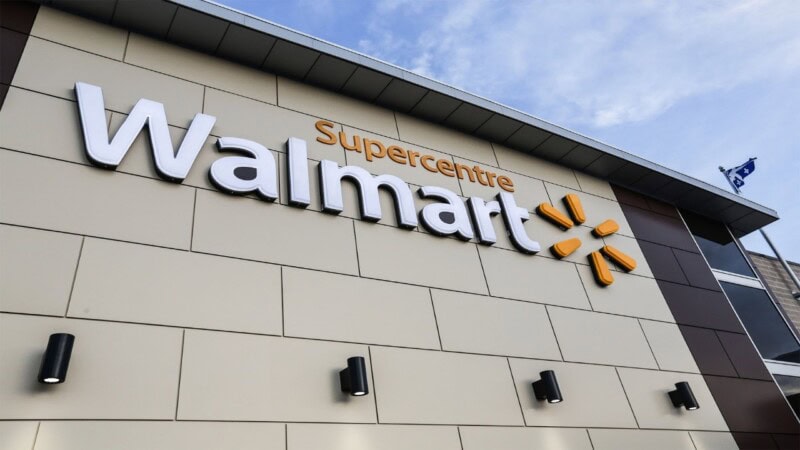
Chain stores have become an essential part of everyday shopping for millions of Americans. From grabbing coffee to buying clothes or groceries, these stores influence how, where, and what we buy. But their impact goes far beyond convenience. These stores have reshaped the entire retail industry, changing the economy, local communities, and even how businesses operate. Let’s explore how chain stores are transforming the retail landscape in the USA today.
Understanding Chain Stores
These stores are retail outlets owned by the same company but located in different places across the country. You’ve probably visited a Walmart, Target, or Starbucks without realizing you were in a chain store. These stores are known for offering similar products, consistent pricing, and a familiar shopping experience no matter the location. This is because their parent company manages everything centrally, from marketing to inventory.
The key to their success lies in uniformity. Customers know what to expect. Walk into a Starbucks in New York or Los Angeles, and your latte will taste the same. This consistency builds trust and loyalty over time.
Why Chain Stores Became So Popular
The rise of these stores did not happen by accident. Several clear factors drive their growth.
First, convenience plays a huge role. These stores are everywhere, from city centers to suburban malls and highway stops. This accessibility means shoppers don’t have to travel far to find the brands they know and trust.
Second, chain stores benefit from their size. They buy products in large quantities directly from suppliers, which allows them to get lower prices. These savings are often passed on to customers, making these stores appealing to budget-conscious shoppers.
Lastly, chain stores provide a predictable shopping experience. Many people find comfort in knowing what to expect, making these stores a reliable choice.
The Impact of Chain Stores on Local Communities
These stores bring many benefits. However, it also comes with challenges for local neighborhoods.
On the positive side, these stores create jobs and pay taxes that support public services like schools and roads. For many communities, especially in less populated areas, chain stores are vital sources of affordable goods.
However, the growth of these stores can pressure local independent shops. Small businesses often find it difficult to compete with the pricing and marketing power of large chains. As a result, some local stores close down, which can change the character of neighborhoods. When many such kinds of stores dominate a town, the unique, local flavor may fade, replaced by generic storefronts.
Additionally, the profits made by such stores usually go back to large corporations, which might be located outside the local area. This means less money stays within the community compared to profits from local businesses.
How These Stores Use Technology to Their Advantage
Technology is a major reason why chain stores continue to grow and succeed. Many such stores use advanced systems to manage stock and improve customer service. For example, real-time inventory tracking helps stores restock items quickly and avoid empty shelves.
Self-checkout lanes and mobile apps have made shopping faster and more convenient. Customers can now scan products with their phones, pay digitally, and even get personalized deals based on their shopping habits.
By analyzing customer data, these stores tailor marketing efforts to what shoppers prefer, boosting sales and customer satisfaction.
Environmental Effects and Chain Stores’ Response
These stores operate many large buildings and transport goods across vast distances, which can lead to higher energy use and pollution. Packaging waste is another concern, especially with fast-moving consumer products.
Aware of these challenges, many these stores are adopting greener practices. They use energy-efficient lighting, reduce single-use plastics, and promote recycling. Some are also sourcing products more sustainably, responding to growing customer demand for eco-friendly options.
What the Future Holds for These Stores
The retail world is evolving quickly, especially as online shopping grows. These stores are adapting by blending their physical locations with online services. Many now offer options like ordering online and picking up in the store or returning online purchases at physical locations.
New technologies like virtual reality and artificial intelligence could soon make shopping even more personalized and interactive. These stores that innovate with these tools are more likely to thrive, while those that don’t may fall behind.
Why These Stores Matter to You
Whether you shop at a chain store regularly or prefer local shops, understanding how chain stores operate helps you make better decisions. These stores influence product availability, pricing, jobs in your community, and even local culture. They also play a role in sustainability through their environmental practices.
By knowing the pros and cons of these stores, you can decide how to support your community while getting the products and prices you need.
Conclusion
These stores have reshaped the American retail landscape by offering convenience, consistent quality, and competitive prices. Their growth has brought economic benefits. However, it also presents challenges for small businesses and the environment. As retail continues to change, such stores will remain a key player, shaping how we shop, work, and live.
Just as chain stores reshape local economies, remittances also play a crucial role in supporting households. Learn how remittances surged to $3.214 billion in July, boosting financial stability for many families.