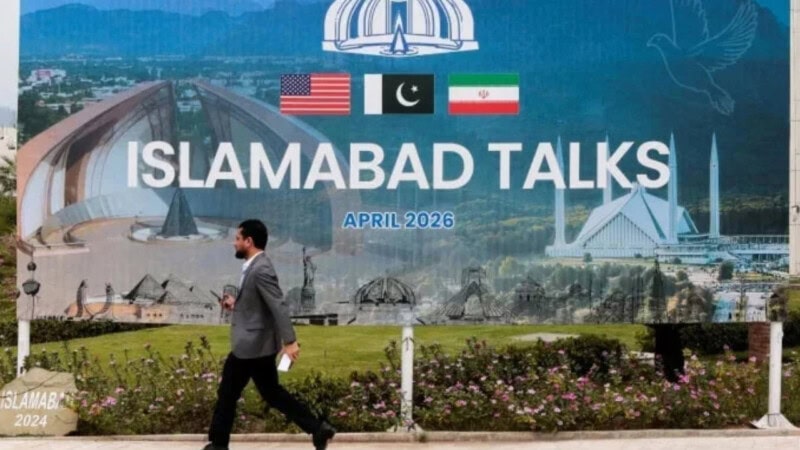
Diplomatic efforts are currently underway to secure a second round of direct negotiations between the United States (US) and Iran as the April 22 ceasefire deadline approaches. Pakistan, supported by regional powers including Turkey and Egypt, is actively pursuing a 45-day extension of the truce to prevent the fragile diplomatic process from collapsing back into open confrontation.
Prime Minister (PM) Shehbaz Sharif informed the federal cabinet that the ceasefire is holding despite being under significant strain, noting that Islamabad recently hosted 21 hours of direct talks. Sharif stated that he was a witness to the sessions where officials worked day and night, and while hurdles remained in signing an agreement, efforts are being made to resolve them.
The PM also conveyed the same message to Japanese Prime Minister Sanae Takaichi, who expressed support for Pakistan’s role in maintaining the peace process.
The initial Islamabad talks marked the highest level of engagement between Tehran and Washington DC since 1979. Although the sessions ended without a formal agreement, diplomats are confident that a narrow window for continued dialogue is still open.
The primary impasse involves structural differences regarding Iran’s nuclear programme and maritime security. The US is seeking long-term commitments on enrichment constraints and safeguards against weaponisation, alongside unrestricted navigation through the Strait of Hormuz. Conversely, Iran insists on the recognition of its sovereign rights under international frameworks, comprehensive sanctions relief, and credible guarantees before taking irreversible steps.
The order of actions remains a major sticking point. Washington insists that Iran must make nuclear concessions before any broader settlement is reached. Tehran, however, demands that the U.S. provide verified guarantees and sanctions relief before Iran takes any permanent steps to roll back its program. This “who goes first” disagreement has kept both sides in a deadlock.
Meanwhile, US Vice President JD Vance stated that significant progress has been made in negotiations but remarked that the ball is in Iran’s court. Vance emphasized that the US expects Iran to move towards reopening the Strait of Hormuz, warning that the nature of negotiations could change if Tehran does not comply.
International mediators are currently exchanging messages to finalize a venue and agenda for a potential second round, which could take place as early as Thursday. While Iran has expressed a preference for Islamabad due to its proximity and familiarity with Pakistan’s role as a mediator, alternative locations like Geneva are also under consideration by the US side.
Reports from CNN indicate that Trump administration officials are internally discussing details for a second in-person meeting should the opportunity present itself.
Iranian President Masoud Pezeshkian has maintained that Tehran will accept discussions only within the framework of international law. Deputy Prime Minister Ishaq Dar has continued high-level outreach with officials from China, the UK, Turkiye, Saudi Arabia, and Egypt to sustain the momentum generated by the initial ceasefire.