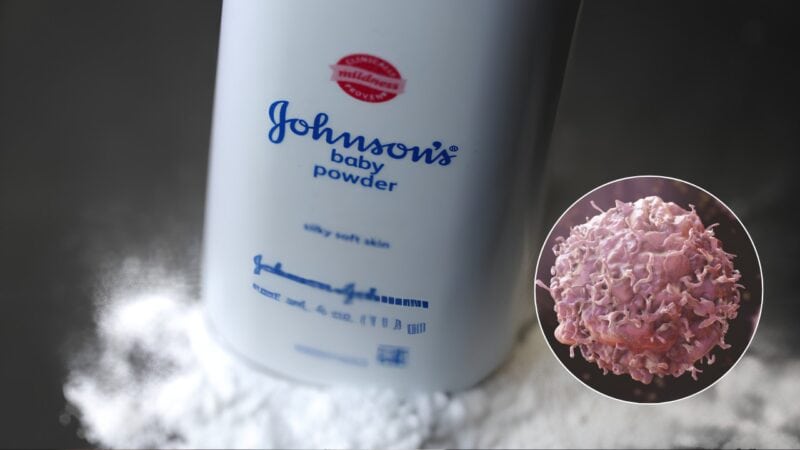
Johnson & Johnson (J&J) has agreed to pay an estimated $5.5 billion to resolve about 76,000 lawsuits claiming its talc-based products, including its once-iconic baby powder, caused ovarian cancer, the company announced on Monday.
The agreement, which covers nearly all outstanding ovarian cancer claims against J&J, still requires approval from 95 percent of claimants in state and federal courts before it can take effect. According to the company, the settlement includes cases combined in federal court in New Jersey as well as related lawsuits filed in state courts.
J&J said it expects to pay $3 billion in 2027, with the remaining payments scheduled for 2028. The final cost could rise beyond the estimated $5.5 billion if more eligible claimants join the settlement.
Although agreeing to settle, J&J reiterated that it does not accept the allegations. Erik Haas, the company’s vice president of litigation, described the claims as “meritless”, stressing that the decision was intended to end years of costly legal proceedings.
“While we are confident the company would have ultimately prevailed with further litigation, as it has in the vast majority of cases tried to date, this resolution allows the company to put this matter behind it and remain focused on its mission to develop medicines and devices that save lives,” Haas said.
Lawyers representing the plaintiffs welcomed the agreement. Chris Seeger, who represents roughly 2,500 claimants and helped negotiate the settlement, said J&J’s overall payout could eventually exceed $7 billion because the agreement assigns compensation to qualifying claims without setting an overall payment limit.
The settlement follows several recent courtroom successes for J&J, including favourable trial verdicts, rulings excluding some expert evidence and decisions disqualifying certain lawyers representing plaintiffs. Last week, a federal judge also questioned whether individual claimants could establish that talc specifically caused their ovarian cancer.
J&J has consistently maintained that its talc products were safe and free of asbestos. It discontinued sales of talc-based baby powder in the United States in 2020, replacing it with a cornstarch-based version.
The lawsuits resumed in March 2025 after more than three years of delays caused by J&J’s failed use of the “Texas two-step” — a legal strategy involving bankruptcy filings by a subsidiary to manage mass litigation. Unlike the proposals, the latest settlement applies only to existing claims and leaves future lawsuits unaffected.