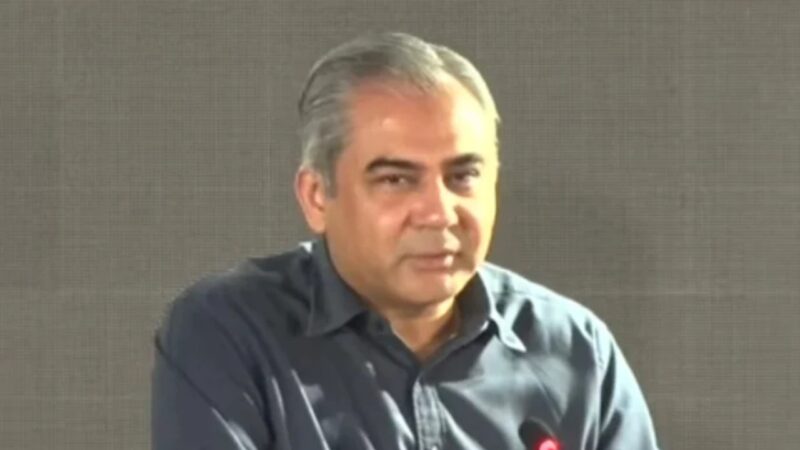
Interior Minister Mohsin Naqvi on Saturday maintained that any changes to Pakistan’s administrative structure, including the creation of new administrative units, must be based on public consent and carried out through constitutional and democratic means.
Addressing the National Policy Dialogue in Lahore, Naqvi said a reset was still needed, but clarified that his earlier remarks about reforming the governance system were not aimed at any political party or existing political arrangement.
“Reset does not mean breaking the system. Reset means making wrongs right,” he remarked, arguing that the administrative structure had lost its effectiveness and was failing to deliver adequate results to citizens.
Naqvi stressed that reforms should be pursued within the Constitution and through political consensus rather than at the discretion of an individual, political party or government.
He maintained that new administrative units should only be created if supported by the people of Pakistan.
“If the nation does not want the new administrative units, they will not be created,” he added, stressing that governments and policies changed but the central measure of success was how much they ultimately delivered.
The minister noted that Pakistan had produced plans for 79 years but had failed to achieve the desired outcomes.
He pointed to shortcomings in education, access to clean drinking water and the justice system as examples of issues requiring attention.
Naqvi emphasised that the proposed reforms were intended to give greater power to citizens and would not require people to surrender their regional identities.
“A Sindhi will remain Sindhi and a Punjabi will remain Punjabi,” he assured.
He also described himself as the “biggest supporter of Islamabad province”, arguing that the federal capital should receive a share of the National Finance Commission (NFC) Award, the constitutional mechanism for distributing federal resources among provinces and other units.





