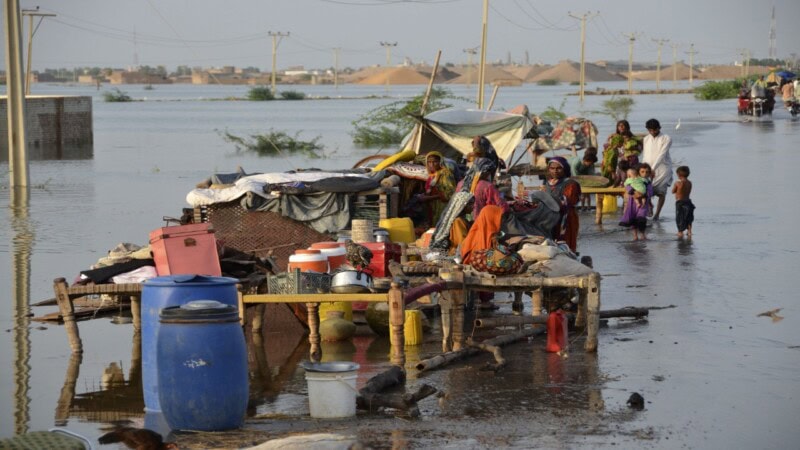
The recent surge in the water levels of the Jhelum River has raised concerns in Pakistan, with government officials issuing an urgent warning to residents about the risks of flooding. Pakistani authorities have pointed the finger at India, accusing the neighboring country of releasing additional water from its dams into the river. The unexpected rise in water levels has caused panic in several parts of Pakistan, particularly in Muzaffarabad and surrounding areas.
Pakistan Accuses India of Excess Water Release
According to local news reports, Pakistan has raised alarms about the sudden increase in the water levels of Jhelum, with the surge attributed to India’s alleged release of extra water. The Pakistani media has claimed that this has resulted in the river’s water flow reaching a dangerously high level of 22,000 cusecs. The authorities have linked this increase to actions taken by India from dams located in Jammu and Kashmir, raising tensions over the shared water resources under the Indus Waters Treaty (IWT).
Impact of the Flooding on Local Communities
The sudden flooding poses a serious risk to the residents of the areas surrounding the Jhelum River. In the city of Muzaffarabad, announcements have been made from local mosques urging people to stay away from the river and seek safety. According to the reports from the Pakistan’s SDMA (State Disaster Management Authority), the water level in the Jhelum River has increased by over three feet, significantly raising the risk of flooding.
This surge comes at a time when melting ice also naturally contributes to the rising water levels in the river, further complicating the situation. Local authorities have warned people not to venture near the river or any low-lying areas, urging them to take precautions as the situation develops.
The Role of the Indus Waters Treaty Amidst Rising Tensions
The allegations made by Pakistan have brought renewed attention to the longstanding Indus Waters Treaty (IWT), an agreement between India and Pakistan that governs the distribution of water from the Indus River and its tributaries. This treaty has been the subject of tension in the past, and recent geopolitical events, including the Pahalgam terror attack in Jammu and Kashmir, have only intensified these strains. Pakistan has expressed concerns over India’s handling of water resources, accusing it of not adhering to the terms of the IWT in times of crisis.
Authorities on High Alert
As floodwaters continue to rise, authorities on both sides of the border are on high alert. Pakistan’s local government has issued an emergency advisory, warning residents to stay away from the river and to prepare for possible evacuation if the flooding worsens. In addition to this, rescue teams and relief efforts are being mobilized to respond to any emergencies.
India, meanwhile, has yet to officially comment on the allegations from Pakistan. The situation remains tense, with both countries monitoring the water levels closely and maintaining a watchful eye on developments in the region.
Pakistan Floods: A Persistent Threat
The rising water levels in Jhelum River are not only a result of the increased flow from India’s dams, but also part of a larger pattern of flooding that Pakistan has experienced over the years. The country has been grappling with the threat Pakistan floods, particularly during the monsoon season, which has wreaked havoc on both agricultural and urban areas. This year’s flooding has brought a new layer of tension due to the potential international ramifications surrounding the management of the shared Indus River system.
The Pakistan floods are a constant reminder of the delicate nature of cross-border water management, and the urgency of adhering to agreements like the IWT. While political tensions can make such issues more complicated, it is vital that both India and Pakistan find a way to resolve their disputes peacefully, ensuring the safety of the millions of people who rely on the rivers that flow through both nations.
Conclusion
The flooding in Jhelum is a reminder of the complex geopolitical and environmental challenges that can arise when multiple nations share water resources. Pakistan’s accusations against India over the release of extra water only add to the already delicate situation in the region. While the authorities are doing their best to ensure the safety of residents, the continuing issues surrounding the Indus Waters Treaty and Pakistan floods highlight the need for collaborative solutions to prevent future disasters. Both countries must work together to manage their shared water resources more effectively to prevent further escalation and reduce the risk of catastrophic flooding in the future. For more on this developing story, visit this detailed article on the issue.