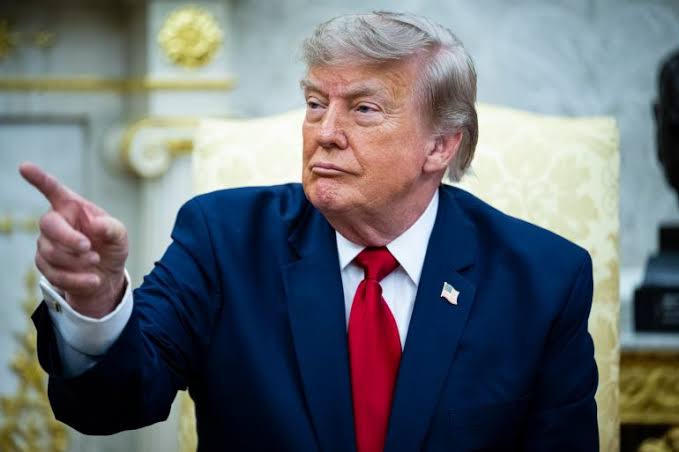
President of the United States (US) Donald Trump has announced a phased tariff structure on generic drug imports, setting off a critical countdown for foreign suppliers, most notably India, to relocate manufacturing facilities onto American soil or face prohibitive penalties.
In a Truth Social post detailing the policy breakdown, Trump confirmed that imported generic medicines will face zero tariffs for two years starting August 1, 2026. Following the grace period, a 100 percent duty will take effect in August 2028 for one year, before escalating to 200 percent from August 2029 onwards.
Trump explicitly tied the escalation to domestic production goals, writing, “This is done in order to RESHORE Generic Pharmaceutical Production into America, with a penalty to those Companies that decide not to build Plant and Equipment within the stated period of time given to them.”
He further noted that “The objective of this Policy is to protect the people of the United States,” while adding that “The Policy on Patented, Branded, or Innovative Drugs, which has been so successful, will remain as is.” Trump also claimed that “Pharmaceutical Facilities are being built, at a level never seen before, all over the United States of America.”
Under the previous Section 232 directive from April 2, Trump had imposed a 100 percent levy on patented pharmaceutical products and ingredients while exempting generic drugs, biosimilars, and related inputs.
Larger drugmakers were given 120 days before that 100 percent rate applied, while smaller manufacturers relying on contract facilities received 180 days.
More than a dozen major drugmakers, including Eli Lilly, Pfizer, and Novo Nordisk, subsequently struck deals under the administration’s “most favored nation” pricing policy to lower US prices and secure three-year tariff exemptions.
The latest announcement hits generic suppliers operating under far lower profit margins. Congressional intelligence platform Legis1 reports that nearly all prescriptions in the US are filled with generic medications manufactured abroad through intricate supply chains.
The strategy creates immense exposure for India whose generic manufacturers supply nearly 50 percent of all generic prescriptions filled in the US, with American buyers accounting for roughly one-third of India’s total pharmaceutical exports annually.
Upstream active pharmaceutical ingredients, such as amoxicillin and heparin, remain heavily reliant on Chinese suppliers.
Trade experts caution that moving low-margin manufacturing to the US faces significant economic roadblocks.
Arpit Chaturvedi, South Asia advisor at Teneo, pointed out that despite the two-year reprieve, long-term trade risks for Indian drugmakers are severe. Because pharmaceuticals rank among India’s top export earners, full enforcement would significantly impact the country’s trade balance.
However, Chaturvedi noted that Washington cannot easily replace Indian supply lines. With razor-thin margins on ordinary generics, some manufacturers may discontinue specific low-cost products altogether if buyers refuse to absorb the added duty, rendering them no longer “commercially viable.”
The temporary zero-tariff window through 2028 gives New Delhi a critical timeframe to negotiate relief in ongoing bilateral talks, potentially through corporate investment commitments in the US.
In the meantime, Indian generic producers are expected to seek Food and Drug Administration approvals, pursue local contract-manufacturing deals, lobby Washington for specific exemptions, and expand into alternative international markets.