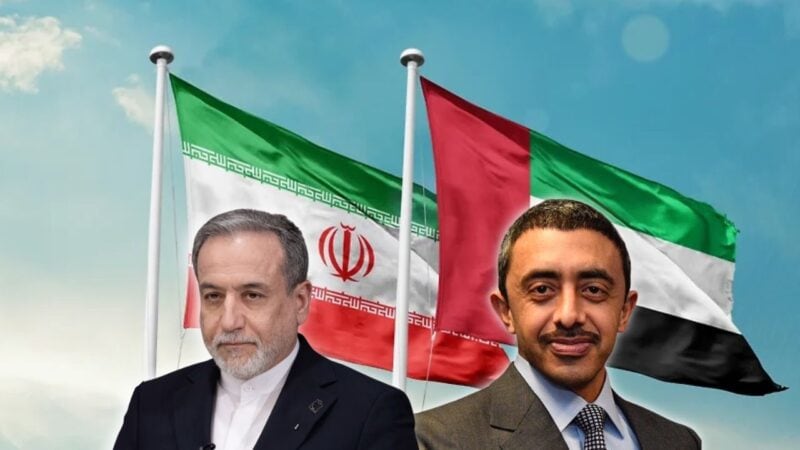
A major strategic reversal has reportedly seen the United Arab Emirates agree to provide Iran with billions of dollars to prevent military strikes on its territory. Reports indicate that Abu Dhabi has already transferred an initial $3 billion to Tehran under a wider agreement.
While two regional sources suggested that the overall financial settlement could reach $10 billion, two separate sources stated that the final figure might ultimately rise to $20 billion.
The transaction signals a dramatic policy pivot for the UAE, which previously held a hawkish posture against Iran and joined forces with the United States and Israel to launch numerous military operations during the conflict.
Reports reveal that the UAE had actively worked to obstruct Pakistan’s diplomatic mediation attempts. Abu Dhabi went as far as demanding the immediate repayment of its outstanding financial loans from Islamabad as a penalty for hosting the peace dialogue, forcing Saudi Arabia to provide an emergency loan to stabilize Pakistan’s economy.
The regional diplomatic environment has transformed at a rapid pace. Following a wartime visit to the UAE by Israeli Prime Minister Benjamin Netanyahu, Abu Dhabi and Tel Aviv established a joint defence acquisition fund.
Conversely, the UAE hosted heavily sanctioned representatives of Iran’s Islamic Revolutionary Guard Corps (IRGC) at the private guest house of Sheikh Tahnoun bin Zayed al-Nahyan, the Emirati national security adviser, to conduct direct de-escalation negotiations.
While the UAE has successfully avoided recent retaliatory Iranian strikes that impacted smaller regional nations like Bahrain, Kuwait, and Jordan, reports remain unconfirmed as to whether the transferred billions came from Emirati sovereign wealth funds or frozen Iranian capital held in the UAE banking sector.
Analysts indicate that the payment structure allows the United States to distance itself from directly funding a truce while ensuring Iran receives its desired payout. The development surfaces as Washington and Tehran are reportedly close to signing a 60-day memorandum of understanding covering the Strait of Hormuz and regional nuclear facilities.