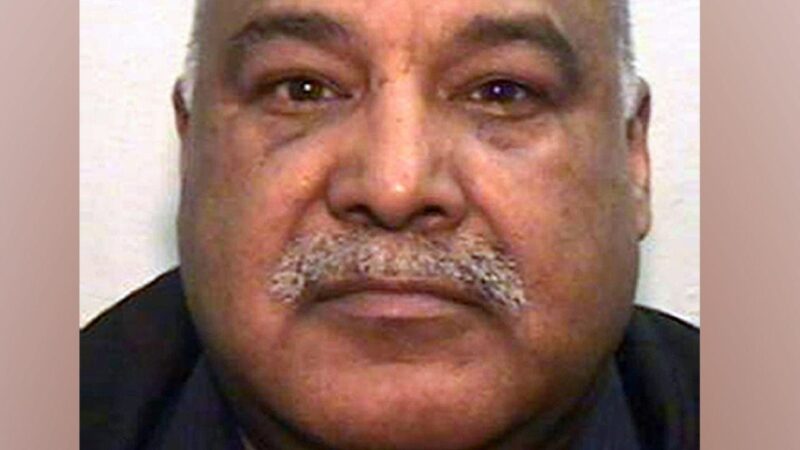
The United Kingdom (UK) is drafting an amendment to an immigration law that would allow authorities to pursue the deportation of Shabir Ahmed, the ringleader of the Rochdale grooming gang who was released from prison this month.
UK Home Secretary Shabana Mahmood confirmed the plan, which targets a 1971 law currently barring removal of a specific category of Commonwealth citizens who settled in the UK more than 50 years ago. Ahmed had held dual British-Pakistani citizenship, but the Pakistani nationality was revoked after his 2012 conviction on multiple counts of child sexual offences. He served part of a 22-year sentence before his release on licence.
Under the proposed change, foreign nationals convicted of serious crimes would lose the protections currently granted under Section 7 of the Immigration Act 1971, aligning deportation rules with the existing framework for stripping citizenship.
Mahmood said that the act was meant to protect long-term residents and “should not be used as a bar against removal in cases like that of Shabir Ahmed.” The amendment is expected to be tabled through the Immigration and Asylum Bill, which is currently before Parliament. Reports have quoted government sources which have indicated that the process could take up to a year to complete.
The Home Office has clarified that any removal still hinges on Pakistan agreeing to accept Ahmed, something officials say is not currently on the table. Ahmed has claimed to have renounced his Pakistani nationality altogether. Mahmood added that the government would continue to “explore all avenues to pursue a deportation.”
Ahmed was among nine men convicted for exploiting girls as young as 13 through two takeaway restaurants in Rochdale and Oldham. Since his release, he has been placed in accommodation with round-the-clock staffing and fitted with an electronic GPS tag. Officials have said that any breach of his licence conditions would send him back to prison. Some of the women he targeted said they felt “frightened” and “unsafe” following news of his release.
Shadow Home Secretary Chris Philp pushed Mahmood to skip the standard legislative timeline and instead bring emergency legislation once Parliament returns from recess in September, arguing that route could deliver a change “in a matter of weeks.”
He also floated visa restrictions as leverage against Islamabad. “If they don’t take him back, we can say: well, we’re simply going to stop or restrict issuing visas to people from Pakistan to come here,” he told BBC Radio 4’s Today programme, adding that the same approach should apply to any country that refuses to take back its convicted or illegal citizens.
Pakistani officials have not issued a public response. The prime minister’s office directed BBC queries to the Foreign Office, which has yet to reply. Several UK ministers declined to comment on record, calling the matter sensitive and confirming that it is being handled at senior levels of government.
Behind the scenes, however, officials have indicated that Islamabad is unlikely to accept Ahmed, pointing out that he left Pakistan decades ago, gave up his nationality and now holds only British citizenship. Sources close to the matter argued that responsibility for him now rests with the UK, not Pakistan.
Dr Farzana Shaikh, a Pakistan specialist at Chatham House, told BBC Radio 4 that talks between the two governments have grown tense, with Islamabad reportedly pushing for the extradition of two political dissidents currently in the UK in return. “We do know there are back channel negotiations going on – these are fraught and point to quite a diplomatic crisis between the two countries,” she said.
Victims Minister Catherine Atkinson pointed to Mahmood’s record on securing similar returns in the past. She noted that visa penalties threatened against Angola, Namibia and the Democratic Republic of Congo led to all three cooperating within four months, with deportation flights following.
“They were previous negotiations where countries refused to take back foreign national offenders and Shabana was able to secure those returns,” Atkinson said.
A spokesperson for Prime Minister (PM) Sir Keir Starmer told reporters on Thursday that the government is “exploring every available option in this case, and that includes talking to the Pakistani authorities.”