Recent US intelligence assessments indicate that roughly half of Iran’s missile launchers remain intact despite sustained strikes by the United States (US) and Israel over the past five weeks, three sources familiar with the findings have told a US news outlet.
“They are still very much poised to wreak absolute havoc throughout the entire region,” one of the sources said.
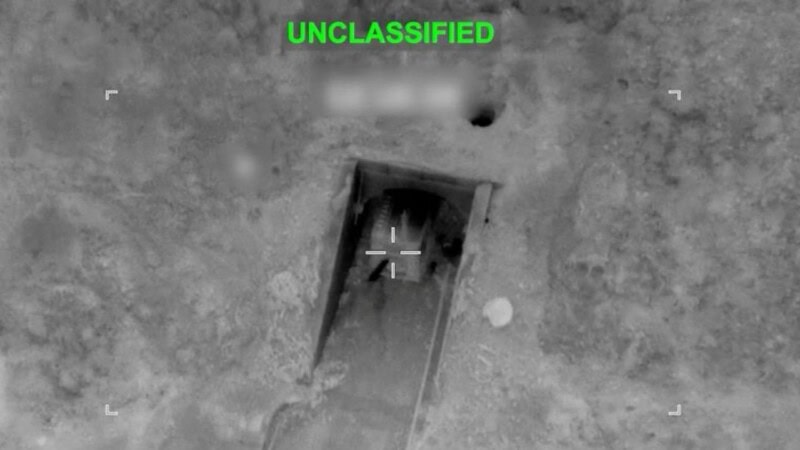
The assessment, compiled in recent days, suggests that some launchers counted as intact may currently be inaccessible, including those buried underground in strikes but were not destroyed.
The intelligence further shows that thousands of one-way attack drones remain in Iran’s arsenal, accounting for nearly half of its drone capability, according to two of the sources. A significant portion of Iran’s coastal defence cruise missiles also remain operational. These systems are used to target shipping routes in the Strait of Hormuz.
The findings present a different picture from public statements by Donald Trump, who said Iran’s “ability to launch missiles and drones is dramatically curtailed, and their weapons factories and rocket launchers are being blown to pieces, very few of them left.”
According to US Central Command, more than 12,300 targets have been struck inside Iran. Reports have claimed that the bombing campaign has reduced Iran’s military capacity and eliminated senior leadership, including Ali Khamenei and Ali Larijani.
The Pentagon has cited a decline in attacks rather than destruction of stockpiles. Defence Secretary Pete Hegseth said “ballistic missile attacks against our forces, down 90 percent since the start of the conflict, same with one way attack UAVs, think kamikaze drones, down 90 percent.”
White House spokesperson Anna Kelly rejected the intelligence-based reporting, stating that “anonymous sources desperately want to attack President Trump and demean the incredible work of our United States Military in achieving the goals of Operation Epic Fury.”
“Here are the facts: Iranian ballistic missile and drone attacks are down 90 percent, their navy is wiped out, two-thirds of their production facilities are damaged or destroyed, and the United States and Israel have overwhelming air dominance over Iran,” she stated.
An administration official added that Iran’s ballistic missiles are being destroyed rapidly.
Pentagon spokesman Sean Parnell also disputed the reporting, calling it “completely wrong.”
“The United States military has delivered a crippling series of blows to the Iranian regime,” he said. “We are far ahead of schedule on accomplishing our military objectives: destroy Iran’s missile arsenal, annihilate their Navy, destroy their terrorist proxies, and ensure Iran can never obtain a nuclear weapon.”
Israeli military officials estimate a lower number of operational Iranian launchers, placing it at around 20–25 percent. Their count excludes launchers that have been buried or rendered inaccessible in tunnels and caves.
Trump said that US operations could conclude within two to three weeks. One source familiar with the intelligence assessment rejected that timeline.
Hegseth said that Iran’s firepower is decreasing but acknowledged continued launches.
“Yes, they will still shoot some missiles, but we will shoot them down,” he said. “Of note, the last 24 hours saw the lowest number of enemy missiles and drones fired by Iran. They will go underground, but we will find them.”
Sources have pointed out that Iran has relied on underground tunnel networks to protect launch systems, allowing mobile platforms to be deployed and relocated quickly, complicating targeting efforts.
The United States and Israel have increasingly targeted tunnel entrances and equipment used to access them, including heavy machinery, according to Annika Ganzeveld of the American Enterprise Institute.
The assessment comes as efforts to secure the Strait of Hormuz continue. Coastal missile systems may remain largely intact because they have not been a primary focus of US strikes and may also be concealed underground.
While Iran’s navy has sustained heavy losses, sources said the naval wing of the Islamic Revolutionary Guard Corps (IRGC) retains roughly half of its capability. One source said it still has “hundreds, if not thousands, of small boats and unmanned surface vessels left.”