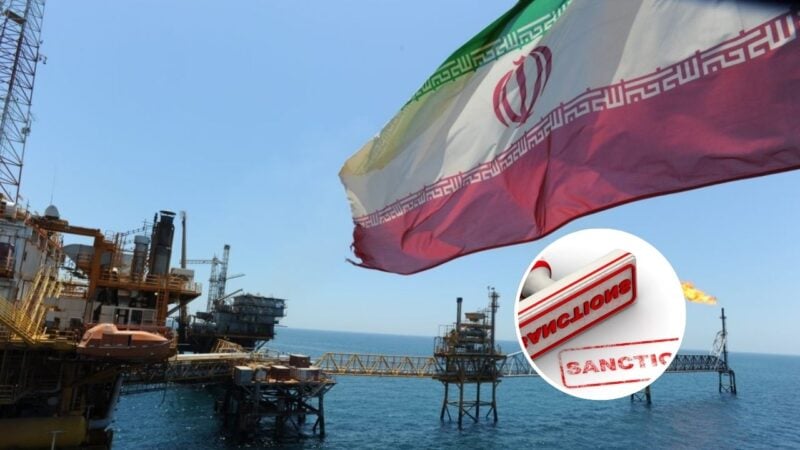
The United States (US) has abruptly re-imposed sanctions on Iranian oil, effectively shredding the temporary export relief granted under the Islamabad Memorandum of Understanding (MoU).
This reversal forces an immediate end to the window for Iranian oil transactions, now capped at July 17, and signals a volatile collapse of the de-escalation framework brokered just last month by regional allies and Pakistan.
The revocation of the US Treasury’s general licence, originally set to permit oil sales until August 21 follows allegations that Tehran violated the maritime security terms of the Islamabad MoU.
Under the agreement, Iran had committed to ensuring the safe passage of commercial vessels through the Strait of Hormuz in exchange for sanctions relief. However, the discovery of three tankers struck by unknown projectiles in the strait on Tuesday, 7 July, has provided the pretext for Washington to abandon the ceasefire and return to a policy of maximum economic pressure.
Global energy markets reacted immediately to the policy shift, with Brent crude prices surging over five percent. While the US government claims it remains committed to “good faith” negotiations, the sudden cancellation of the licence, a cornerstone of the post-Burgenstock diplomatic roadmap has fuelled scepticism.
Tehran has rejected the US move as Iran’s Ministry of Foreign Affairs and Deputy Foreign Minister Kazem Gharibabadi called it a “blatant violation” of the MoU, warning that Washington’s bad faith and failure to honour its commitments will invite necessary countermeasures to safeguard Iran’s national interests.
The diplomatic friction is mirrored by a massive escalation in military hostilities. US Central Command (CENTCOM) confirmed it has launched a series of high-intensity strikes against more than 80 Iranian targets, including air defence systems, coastal radar installations, and command networks. The operation also reportedly targeted over 60 IRGC small boats in and around the Strait of Hormuz.