The Yangtze River is one of the most important rivers in the world. It is the longest river in Eurasia and the third-longest in the world. It flows for more than 6,300 kilometers from the high mountains of Tibet to the East China Sea. The river is not just a natural wonder. It is a lifeline for millions of people and a key part of China’s economy.
In this article, we will explore the geography, history, economy, environment, and cultural importance of this River. This guide is designed to give you a clear and easy-to-understand picture of why the Yangtze River matters so much.
Where the Yangtze River Begins
This river starts at Jari Hill in the Tanggula Mountains, located on the Tibetan Plateau. The river flows through high mountains, deep valleys, and vast plains. Its longest source, the Dam Qu River, is included in the total length of the Yangtze. From the mountains, the river travels east for over 6,300 km until it reaches the East China Sea.
The river flows through several Chinese provinces and major cities, including Chongqing, Jingzhou, Yibin, Luzhou, and Panzhihua. Along the way, it passes important bridges, such as the Nanjing Yangtze River Bridge, which connect cities and make transport easier.
Geography and Natural Features
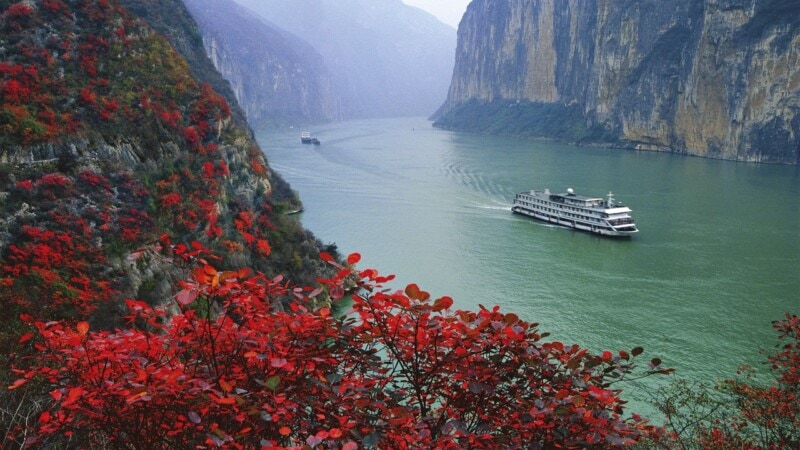
The Yangtze River has a diverse landscape. In the upper reaches, the river flows through steep mountains and deep gorges. The most famous of these are the Three Gorges, a spectacular series of cliffs and valleys that attract tourists from around the world.
In the middle reaches, the river spreads into broad plains. These fertile lands are perfect for farming. Rice, wheat, and cotton are grown along the river. In the lower reaches, the river slows and meanders through vast areas before reaching the East China Sea.
The river’s discharge is impressive, averaging about 30,170 cubic meters per second. Its basin area is around 1.808 million square kilometers, which means it affects a considerable part of China’s land and population.
Historical and Cultural Importance
The Yangtze River has been important for thousands of years. Ancient Chinese civilizations grew along its banks. The river enabled the transportation of goods, travel, and communication between regions.
The Yangtze is also a cultural symbol. Chinese poetry and art often celebrate their beauty and power. Festivals, songs, and local traditions reflect the river’s influence. Cities along the river developed rich cultures because of trade and travel on the water.
The Yangtze River and China’s Economy
This river is often called the engine of China’s economy, and for good reason. It connects inland regions to the coast, making trade and shipping faster and cheaper.
Shipping and Transport
The river is a major shipping route. Barges and cargo ships carry goods such as coal, steel, and agricultural products. Cities like Chongqing rely on the river for moving products to the coast and other countries.
Agriculture
The river valley has some of China’s most fertile land. Farmers grow rice, wheat, and vegetables. Water from the river is used for irrigation, which helps produce enough food for millions of people.
Industry
The Yangtze River Basin is home to many factories and industrial zones. Industries such as steel, chemicals, and shipbuilding utilize the river for water and transportation. The Three Gorges Dam, one of the most significant hydroelectric projects in the world, generates electricity for millions of people and industries.
Environmental Challenges
Despite its importance, this river faces serious environmental challenges. Pollution, dam construction, and overfishing threaten the river’s health.
Pollution
Cities and factories along the river produce waste that often ends up in the water. This affects fish, wildlife, and people who depend on the river for drinking water.
Dams and Hydropower
The Three Gorges Dam controls flooding and produces electricity, but it has also changed the river’s natural flow. Fish populations have declined, and some communities were relocated.
Conservation Efforts
China is now working to protect the river. Fishing restrictions, water treatment plants, and reforestation projects aim to improve the river’s health. Protecting the Yangtze River ecosystem is critical for the future of the economy and environment.
Wildlife of the This River
This river is home to many animals. Some are unique to the river and cannot be found anywhere else. These include the Yangtze giant softshell turtle and the Yangtze river dolphin, although the dolphin is now considered functionally extinct.
The river’s wetlands and tributaries support fish, birds, and other wildlife. Protecting these habitats is essential to keep the ecosystem balanced.
Tourism and Scenic Spots
This river attracts tourists from around the world. The Three Gorges are famous for their dramatic cliffs and views. Visitors can take boat trips to see the river’s beauty and explore historical towns along the banks.
Cities like Chongqing and Yibin offer local culture, cuisine, and markets. The river is a popular destination for travelers who want to see China’s natural and cultural richness in one place.
Conclusion
The Yangtze River is more than just a river. It is a source of life, a highway for trade, and a symbol of Chinese culture. Its role in the economy cannot be overstated. Agriculture, industry, shipping, and energy production all depend on the river.
At the same time, protecting the Yangtze is crucial. Pollution, overfishing, and habitat loss threaten its future. By balancing development with conservation, China can ensure that the Yangtze River continues to be a lifeline for millions and a treasure for the world.
In short, this river is a remarkable natural feature. It powers China’s economy, shapes its culture, and supports millions of lives. Understanding the river helps us appreciate both its beauty and its importance.
Heavy rains along major rivers can lead to disasters like floods and landslides. Recent reports show 27 dead across GB, AJK, and Bajaur due to flash floods.