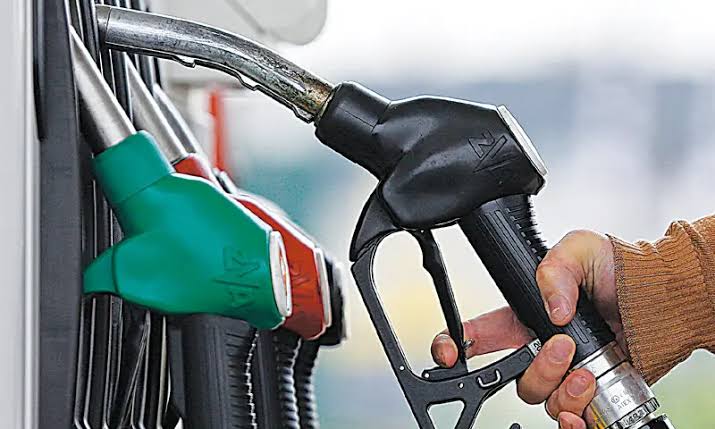
The federal government has reduced petrol prices by Re1 per litre and raised High-Speed Diesel (HSD) prices by Rs3.77 per litre on Monday, passing international market changes to local consumers.
The new rates fix petrol at Rs334.18 per litre and HSD at Rs386.83 per litre, taking effect on July 28. The government collects Rs110 per litre in taxes and duties on petrol and Rs96 per litre on diesel.
Earlier, Petroleum Minister Ali Pervaiz Malik announced that the cabinet and the prime minister have authorized the Oil and Gas Regulatory Authority (OGRA) to fix fuel prices on a daily basis. The decision moves the country away from weekly price adjustments implemented since March.
The All Pakistan Dealers Association rejected the daily pricing decision and announced plans to formulate a protest strategy.
The current rates follow historical highs recorded on April 3, when diesel prices reached Rs520.35 per litre and petrol reached Rs458.41 per litre after the outbreak of conflict between the United States (US) and Iran in late February.
Petrol consumption directly impacts middle and lower-middle-class households using private transport and two-wheelers, while diesel affects heavy transport, power plants and industrial generators.
Monthly sales for petrol and diesel range between 700,000 and 800,000 tonnes, while kerosene demand stands at 10,000 tonnes.
On the same day, Malik hinted at a decline in local fuel rates following the passage of Pakistani oil tankers stuck at the Bab-al-Mandeb chokepoint due to Houthi attacks.
“Today’s good news is that our ships stuck at Bab-al-Mandeb have come out safely,” Malik said, adding that international crude oil and product prices show a downward trend.
The minister explained that the pricing formula operated by the regulatory authority relies on the weekly average of the international market, noting that prices would start declining depending on that average.
Responding to inquiries about returning to weekly or fortnightly pricing schedules in the future, Malik stated, “Let the people benefit from the declining trend first and then we can discuss the future.”