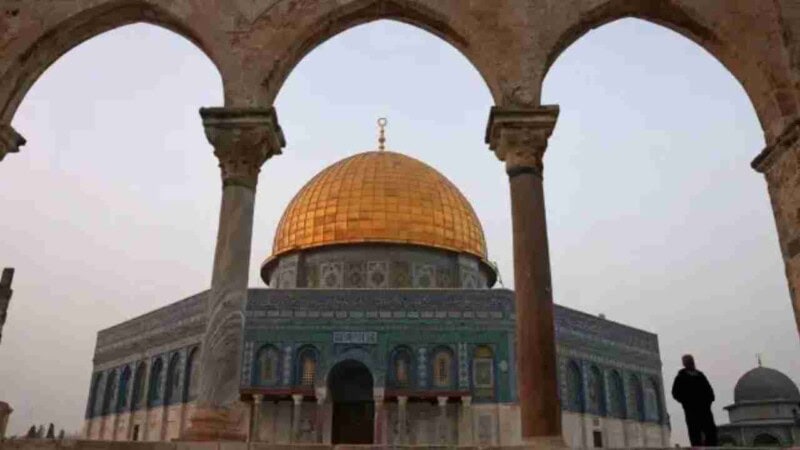
Israeli police have arrested Sheikh Mohammed al-Abbasi, Imam of Al-Aqsa Mosque, from inside the mosque’s courtyards in occupied Jerusalem.
The Palestinian news agency Wafa, citing local sources, reported that Israeli forces detained Sheikh al-Abbasi on Monday evening without providing a reason.
The report said the arrest comes amid increased measures at the mosque, including restrictions on imams, preachers and worshippers, limits on entry to the compound and visits by Israeli settlers under police protection.
Hamas added: “The escalating violations by the fascist occupation government against the sanctity of Al-Aqsa Mosque, the imposition of restrictions on worshippers’ access, the prevention of logistical preparations for the month of Ramazan, and the intensification of raids by settler groups are dangerous interventions that fall within its persistent attempts to control and Judaize the mosque, restrict freedom of worship there, and impose temporal and spatial division.”
In its statement, Hamas also referred to restrictions on access for worshippers and said measures had affected preparations for Ramazan. The group called on Palestinians in Jerusalem, the West Bank and within Israel to maintain their presence at the mosque.
Hamas urged the Arab League and the Organisation of Islamic Cooperation to take steps through diplomatic channels regarding the situation at the compound.
Tensions have increased in occupied Jerusalem, particularly in the Old City and around Al-Aqsa Mosque, amid security deployments and ban orders against religious figures and activists.
Israeli police have said they plan to deploy additional personnel around the mosque during Ramazan. Palestinian officials have accused Israel of imposing restrictions at the site.
Al-Aqsa Mosque, located in east Jerusalem, is regarded by Muslims as the third-holiest site in Islam. Israel captured east Jerusalem in 1967 and later illegally annexed it. Under existing arrangements, Jews are permitted to visit the compound but are not allowed to pray there.