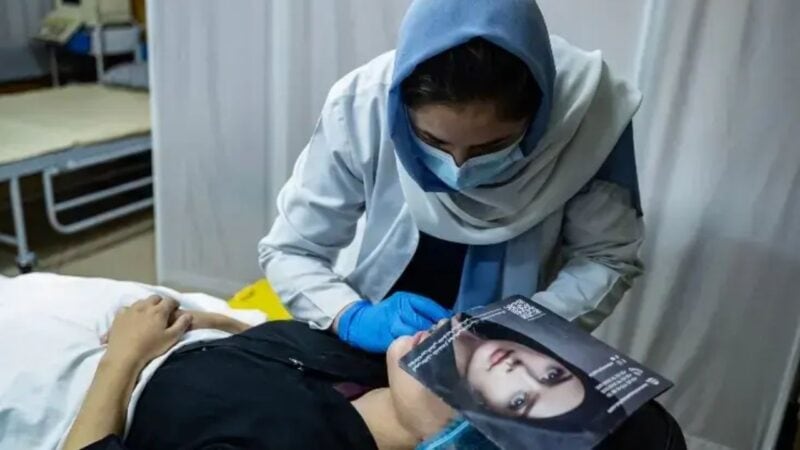
Around 200,000 people regularly visit aesthetic clinics in Pakistan, while nearly 10,000 practitioners are currently working in the sector, according to industry estimates cited in a Dawn report.
The report said that federal and provincial health authorities, the Pakistan Medical and Dental Council (PMDC), the Drug Regulatory Authority of Pakistan (DRAP), healthcare commissions and professional bodies did not dispute the increase in aesthetic clinics and the growing demand for cosmetic procedures following the Covid-19 pandemic.
However, Pakistan still does not have a unified regulatory framework governing practitioners, procedures and products used in cosmetic treatments.
Popular procedures include HydraFacial, laser hair removal, platelet-rich plasma (PRP) therapy, glutathione skin-brightening drips and hair transplants. Botox, dermal fillers, chemical peels, carbon facials and High-Intensity Focused Ultrasound (HIFU) treatments have also become increasingly common.
According to the report, procedure costs vary depending on the city and the complexity of treatment. Hair transplants cost between Rs60,000 and Rs400,000, while rhinoplasty procedures range from Rs150,000 to Rs450,000. Liposuction costs between Rs60,000 and Rs1 million, while an eight-week Botox treatment can cost between Rs80,000 and Rs2 million.
PMDC President Prof Rizwan Taj told Dawn that a specialist board for aesthetic medicine had been formed to regulate the sector and address complaints. He said that the proposal had completed legal review and was awaiting formal notification from the ministry.
He added that revisions to the 2022 guidelines had been incorporated and that the updated draft had been submitted to the council for approval before being forwarded to the government.
DRAP Chief Executive Officer Dr Obaidullah shared data showing that Pakistan imported 8,204 units of Botox through three consignments over the past year. However, he did not provide details regarding the value of those imports or other registered aesthetic products.
Former Pakistan Pharmaceutical Manufacturers Association chairman Dr Sheikh Kaiser Waheed said that the demand for cosmetic drugs and chemicals had increased, adding that an informal market for cheaper and substandard products also existed, although no reliable data were available.
Sindh Healthcare Commission Director Zainab Hasan said that the commission had launched a registration and licensing campaign for aesthetic clinics alongside an anti-quackery drive.
“To date, only 26 aesthetic facilities have been registered with the SHCC,” she said.
Hasan said that the commission regularly receives complaints related to cosmetic procedures, but the absence of a notified scope of practice from the PMDC and the lack of a competency assessment framework continue to affect enforcement against unlicensed practitioners.
Sindh Revenue Board Chairman Dr Wasif Ali Memon said that cosmetic and plastic surgery services have been subject to Sindh sales tax since July 2016.
He said 350 service providers had been registered so far, generating an average of Rs80 million in monthly sales tax collections, while the sector recorded 40 percent revenue growth during FY26.