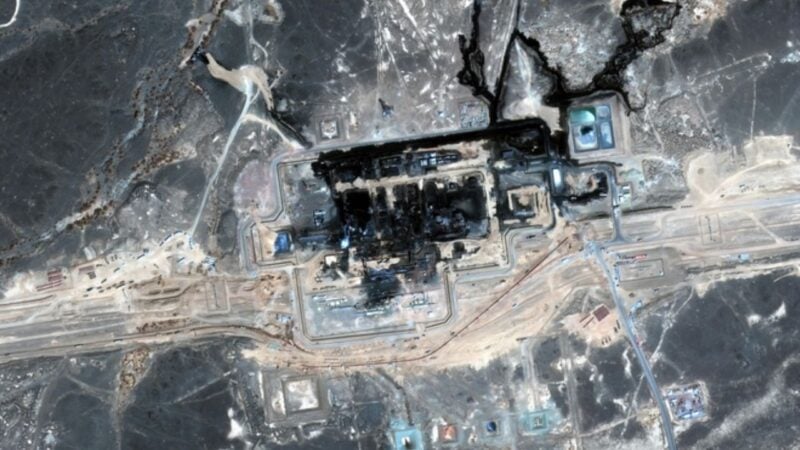
Global oil supplies could face more pressure within days after Saudi Arabia shut down a key pipeline following a drone attack, traders and industry sources have warned.
The 745-mile East-West pipeline carries around four million barrels of oil a day to Yanbu on the Red Sea, allowing Saudi Arabia to bypass the Strait of Hormuz.
Saudi authorities closed the pipeline on Thursday after drones launched from Iraq targeted parts of the route in the Riyadh and Madinah areas. The government has not disclosed the extent of the damage.
Industry sources told an international media outlet that oil stocks at Yanbu could support exports for only five to seven days if the pipeline remains out of service. Analysts at shipping data company Marhelm estimated repairs could take more than a month because of a lack of spare parts.
The shutdown could affect around four percent of global oil supplies and add pressure to crude prices. Brent crude had already climbed to $109 a barrel last week as the global energy market faced disruption from the war with Iran and the closure of the Strait of Hormuz.
The strait normally carries around a fifth of the world’s oil and gas shipments. A planned meeting in Oman between Iran and Gulf states over arrangements for shipping through the waterway has also been postponed.
Omani Foreign Minister Badr Al-Busaidi said on Sunday that dialogue remained necessary for regional stability.
“We remain committed to fostering dialogue that supports stability and lasting co-operation in our region,” he posted on X.
Saudi Arabia has also reported a sharp fall in oil production since the war began. Its output stood at 6.2 million barrels per day in August, compared with 10.9 million barrels per day in February, according to figures submitted to Organization of the Petroleum Exporting Countries (OPEC). The August figure marked its lowest monthly production level of the year.
The pipeline has become more important for Saudi exports after Iran largely disrupted shipments through the Gulf by blocking the Strait of Hormuz. The route also bypasses the Bab el-Mandeb Strait, which has come under pressure from the ongoing conflict involving the Iran-allied Houthis and Yemen’s internationally recognised government, backed by Riyadh.
The Houthis have also declared a maritime blockade of Saudi ports on the Red Sea.
On Sunday, Houthi military spokesman Yahya Saree claimed the group had launched drones and missiles at a Saudi military base in Sharurah. He said that the attack targeted “weapons depots and command and control centres that are managing the aggression against our nation and people”.
The claim came after the Houthis captured Mocha and other areas along Yemen’s Red Sea coast during a week-long offensive. The advance has strengthened their control around the Bab el-Mandeb Strait.
Saudi Arabia has carried out strikes against Houthi positions as fighting continued. UK Foreign Secretary Ed Miliband said that he spoke to his Saudi counterpart on Saturday and “made clear the UK stands firmly with Saudi Arabia and the internationally recognised government of Yemen against”.
Yemeni government forces said that they had also targeted Houthi fighters near Mocha and other positions in the southwest. Government news agency Saba reported that the forces “destroyed vehicles and weapons and killed members of the Houthi terrorist militia” near the port.
The Houthis, meanwhile, claimed Saudi aircraft had carried out 129 airstrikes over 48 hours.
Saudi authorities separately reported that a Houthi projectile fell near the country’s border, causing damage to a mosque, buildings and vehicles while also injuring two people.